- Iran War Escalation Day 13: Ceasefire Rejection, US Munition Shortages, and Israeli Shelter Openings
- Tehran Rejects Trump Ceasefire Offer Sent via Iraq
- Israeli Cities Open Bomb Shelters Ahead of Potential Joint Strikes
- Satellite Evidence Reveals Rapid Iranian Recovery
- Pentagon Munition Depletion and PAC-2 Patriot Purchases
- European Embassy Pullbacks, US Medical Surges, and Energy Shifts
- Escalating Rhetoric Across Gulf Neighbors and Private Oil Deals
Iran War Escalation Day 13: Ceasefire Rejection, US Munition Shortages, and Israeli Shelter Openings
Anyone expecting two weeks of heavy military strikes to force a diplomatic timeout got a reality check on Day 13. The situation across West Asia just shifted again, with backchannel talks stalling out while Western defense supply chains face clear pressure. Making sense of today’s moves means looking past basic headlines. The actual dynamic across Washington, Tehran, and Jerusalem boils down to failed peace offers, fast facility repairs, and a growing shortage of interceptor missiles.
Tehran Rejects Trump Ceasefire Offer Sent via Iraq
Behind-the-scenes diplomacy hit a wall today. Reporting from The New York Times (also picked up by Ynet Global) confirmed Tehran turned down a ceasefire proposal pushed by Washington. The draft reached Iranian officials through Iraqi Prime Minister Ali al-Ziyadi right after his White House visits.
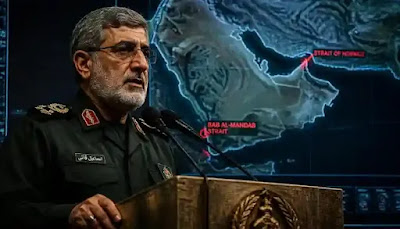
Iranian representatives made their position clear: they refuse to sign any temporary truce that leaves navigation rights and military presence around the Strait of Hormuz untouched. In the fallout, Iranian Foreign Minister Seyed Abbas Araghchi called out US officials publicly, posting that aggressive foreign policy choices will only push up the price Washington pays for any future agreement.
Israeli Cities Open Bomb Shelters Ahead of Potential Joint Strikes
Civil defense protocols across Israel tightened significantly today. Municipalities spanning from Eilat to Karmiel are opening public bomb shelters, according to reporting by The Jerusalem Post. Revised threat assessments flagged a much higher chance of incoming long-range missile strikes. Meanwhile, regional reports from Channel 14 suggest Israeli commanders expect Washington to call for joint strike operations against strategic Iranian targets over the coming days, making quick de-escalation unlikely.
Satellite Evidence Reveals Rapid Iranian Recovery
On the ground, claims that air strikes permanently knocked out key facilities don’t match latest satellite passes. According to a Wall Street Journal investigation, Iranian construction crews are repairing damaged missile sites and access routes with remarkable speed.
For example, when strikes blocked road access to major missile complexes in western Iran last month, fresh satellite photos showed new transit routes already paved directly to the sites. Similar quick rebuilds turned up around IRGC naval yards along the coast. This ability to patch up transit routes explains why Tehran isn’t backing down. Physical damage doesn’t freeze military operations for long when repair teams move this fast.
Pentagon Munition Depletion and PAC-2 Patriot Purchases
Supply pressure on the US military side is becoming harder to hide. Coverage in Al Jazeera cited former Pentagon budget analyst Mark Cancian, who warned that American missile stocks took a serious hit. Cancian estimated that replacing advanced precision munitions used in this conflict could take two to five years. With military bills passing $37.5 billion and defense leaders asking for another $70 billion, analysts warn Washington is opening a risk window in other regions, including the Western Pacific.
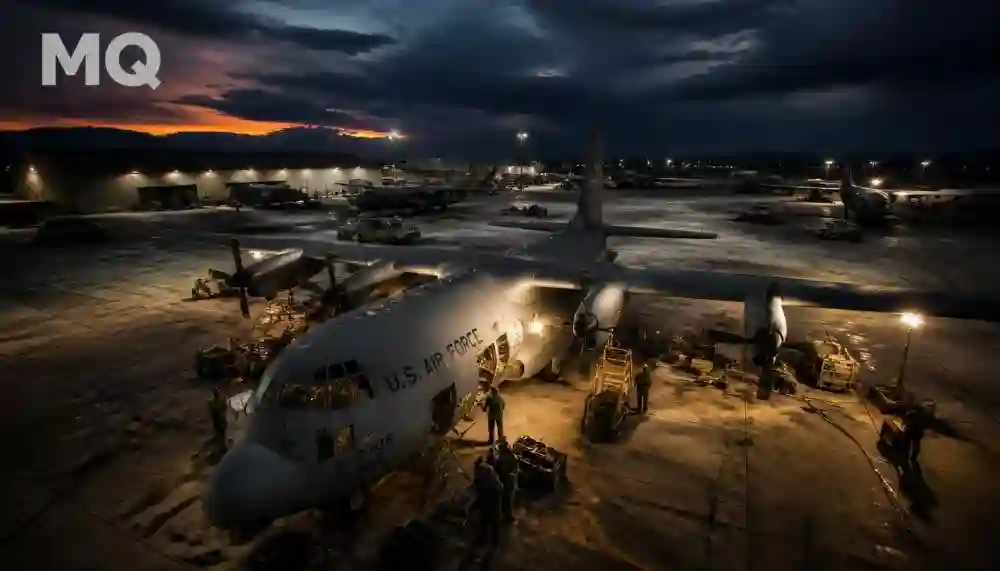
The shortage is driving unusual procurement decisions. As The War Zone reported, the US Army is buying older PAC-2 Patriot missiles for the first time in decades. The PAC-2 GEM-T variant isn’t as capable as the newer PAC-3, but military planners simply need every interceptor they can get to keep batteries loaded.
European Embassy Pullbacks, US Medical Surges, and Energy Shifts
Western diplomatic presence in Tehran is shrinking fast. Reports from Crypto Briefing confirmed the UK and Germany pulled their remaining embassy staff out of Iran, with France likely following suit as European capitals prepare for broader retaliation. Military medical logistics are ramping up as well. CBS News reported that over 150 additional US medical personnel landed at Landstuhl Regional Medical Center in Germany to treat American service members wounded during regional combat.
Trade routes are also adapting in strange ways. Reporting by Reuters (via L24 Levant) noted the first shipments of Iraqi fuel oil reached US destinations by way of Syria’s Baniyas port, showing how energy routes are shifting while Persian Gulf lanes remain dangerous.
Escalating Rhetoric Across Gulf Neighbors and Private Oil Deals
Tensions surrounding foreign bases keep climbing. Coverage from IRNA detailed how the IRGC issued direct warnings to citizens in Kuwait and Jordan, claiming US forces are violating local sovereignty by running strike missions out of regional bases. Houthi representatives also warned that Saudi Aramco facilities could face targeted drone strikes if the blockade on Yemen stays active. That threat prompted urgent phone calls between Pakistani Prime Minister Shehbaz Sharif and Saudi Crown Prince Mohammed bin Salman.
Still, quiet leverage is at work behind closed doors. The Times of Israel revealed that Pakistan’s military leadership used private energy ventures linked to IRGC officials to help protect Saudi oil sites, showing economic ties are still doing quiet work to avoid complete regional collapse.
Key Takeaways & FAQ
Why did Iran turn down the ceasefire proposal brought by Iraq?
Reports from The New York Times confirm Iranian officials rejected the offer because it was a temporary setup that left long-term control over the Strait of Hormuz completely unaddressed.
Why are bomb shelters open across Israeli cities right now?
The Jerusalem Post noted that updated military threat assessments flagged a much higher risk of long-range missile strikes, forcing municipal teams from Eilat to Karmiel to open shelters.
Why is the US Army buying older PAC-2 Patriot missiles?
According to The War Zone, heavy missile use in current operations depleted PAC-3 stocks, forcing defense buyers to source older PAC-2 inventory to keep air defense batteries loaded.
How long will it take for the US to rebuild its weapon stockpiles?
Former Pentagon official Mark Cancian stated on Al Jazeera that defense contractors will need anywhere from 2 to 5 years to bring missile inventories back to pre-war levels.
How is the US handling military casualties from the conflict?
CBS News confirmed the US military sent over 150 extra medical personnel to Germany’s Landstuhl Regional Medical Center to treat troops injured in recent Middle East operations.