- Red Sea Crisis: How Saudi Arabia and Yemen’s Houthis Are Reshaping Global Shipping
- Ground Reality: A Temporary Calm Masks Deeper Tensions
- The Big Shipping Problem: Bab el-Mandeb Under Pressure
- Why Going Around Africa Hurts the Wallet
- Saudi Arabia’s Tricky Situation
- Cheap Drones vs Expensive Missiles
- What Global Powers Are Doing
Red Sea Crisis: How Saudi Arabia and Yemen’s Houthis Are Reshaping Global Shipping
Rising tensions across the Arabian Peninsula are increasingly affecting regional security and global trade, particularly along key maritime routes. The uneasy calm between Saudi Arabia and Yemen’s Houthi movement seems to be fraying at the edges. Over the years, what started as a localised conflict has developed into a broader geopolitical crisis with serious implications for one of the world’s busiest shipping lanes.
Events in the southern Red Sea are unfolding at such speed that diplomacy is constantly playing catch-up. From warning sirens overhead to operations in strategic waters, the pace of events continues to shift rapidly. To understand why the cost of online purchases or fuel can suddenly rise, it’s important to examine what’s happening both on land and across key maritime trade routes.
Ground Reality: A Temporary Calm Masks Deeper Tensions
Right along the border line itself, you won’t find a massive ground war exploding right this second. Behind closed doors, diplomats are chatting, and as noted in recent pieces over at Reuters, both sides seem to be sticking to a quiet, unwritten pause. Still, nobody down there is taking any chances.
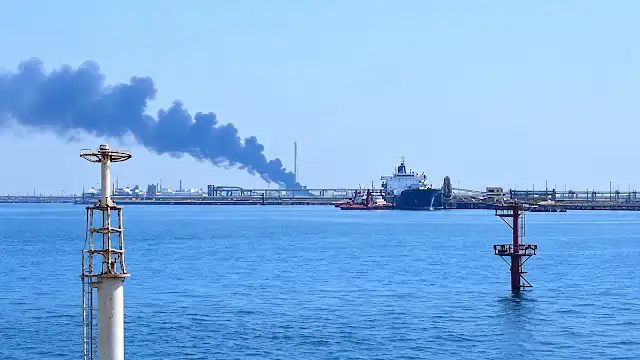
The focus shifts noticeably when examining developments along the coast. Al Jazeera reported that U.S. forces, supported by international allies, have launched targeted air operations against locations in Yemen. Their main goals? Military operations reportedly focused on disabling coastal radar installations, underground weapons depots, and missile launch sites.
No Immediate Signs of De-escalation: Senior military figures in Sanaa told the Associated Press that naval operations and missile launches would continue until regional blockades and military pressure are lifted. As both sides maintain their positions, regional security forces continue to operate at an elevated state of readiness.
The Big Shipping Problem: Bab el-Mandeb Under Pressure
The Bab el-Mandeb Strait sits at the centre of a major global trade vulnerability. Small in size but enormous in importance, this strategic waterway connects the Red Sea and the Gulf of Aden, acting as a gateway for container ships carrying goods between Asia and Europe through the Suez Canal.
+———————————————————————–+
Why Going Around Africa Hurts the Wallet
The folks writing for The New York Times broke down how major ocean shipping lines—think Maersk, Hapag-Lloyd, and MSC—figured it was way too risky sending cargo ships straight through the Red Sea. Instead, they’re diverting everything around the bottom tip of Africa via the Cape of Good Hope.
It’s far more than a minor detour. It comes with some proper painful costs:
- Costly Detours: A CNN analysis found that avoiding the Red Sea and taking the longer route around the African continent adds around 3,500 to 4,000 nautical miles to standard Asia–Europe shipping routes, contributing to longer voyages, higher fuel consumption, and rising transportation costs.
- Soaring Fuel Bills: The lengthy diversion around Africa can keep ships at sea for up to two extra weeks, sharply increasing fuel consumption and operational costs.
- War-Risk Insurance Jumps: Premiums for vessels sailing through the Red Sea have climbed steeply amid ongoing regional instability. Those added shipping costs are ultimately passed on to consumers.
Saudi Arabia’s Tricky Situation
The Saudis find themselves stuck in a proper tough spot here. Broadcasters over at the BBC highlighted how Riyadh is super focused on massive domestic projects like Vision 2030. Stable borders, secure sea lanes, and steady foreign investment are critical to achieving those objectives.
Getting dragged back into a heavy military clash in Yemen would basically throw a massive spanner in the works for those economic plans. That’s why Saudi officials keep urging everyone to stick to defensive moves rather than fanning a broader fire.
Cheap Drones vs Expensive Missiles
For years, Western nations tried blocking weapon parts from entering Yemen through strict sea patrols and sanctions. But an investigation published by The Wall Street Journal detailed how the Houthis managed to assemble a surprisingly effective lineup of low-cost hardware anyway.
They’re using cheap, locally assembled attack drones and modified missiles to hit targets way past their immediate backyard. Here’s the wild part: a drone might cost a couple of grand to put together, but the navy missiles used to shoot them down cost millions.
Defence strategists understand that the arithmetic becomes impossible to sustain indefinitely. Burning through multi-million-pound interceptor missiles to take down cheap drones is a costly strategy that can drain resources at an unsustainable pace. What started as a localized conflict has essentially bled into the international market, hitting energy supply chains, shipping timelines, and retail costs across the globe.
What Global Powers Are Doing
The regional confrontation is producing effects that extend well beyond the Middle East. Over at Reuters, correspondents noted that countries like China and India are watching every single update. Both nations depend heavily on oil shipments passing out of the Persian Gulf and clear sea lanes to get manufactured goods into European markets.
Expensive Naval Commitments: As highlighted in AP News coverage, maintaining round-the-clock naval operations in the Red Sea demands considerable logistical and financial resources, placing additional pressure on fleets already balancing multiple global responsibilities.
FAQ: Quick Breakdown of the Red Sea Conflict
Is there active ground fighting on the Saudi-Yemen border right now?
Not a full-scale ground war at the moment. Recent reports gathered by Reuters show major troop pushes are largely paused while quiet talks happen. Skirmishes and drone intercepts still happen along border posts, but things haven’t escalated into full land battles.
Why does the Bab el-Mandeb Strait matter so much?
Al Jazeera notes that this route is the primary maritime link between the Indian Ocean and the Mediterranean via the Suez Canal. Normally, somewhere between 12% and 15% of all global trade—plus about a tenth of the world’s seaborne crude oil—passes right through this tiny bottleneck.
How are naval fleets protecting merchant ships?
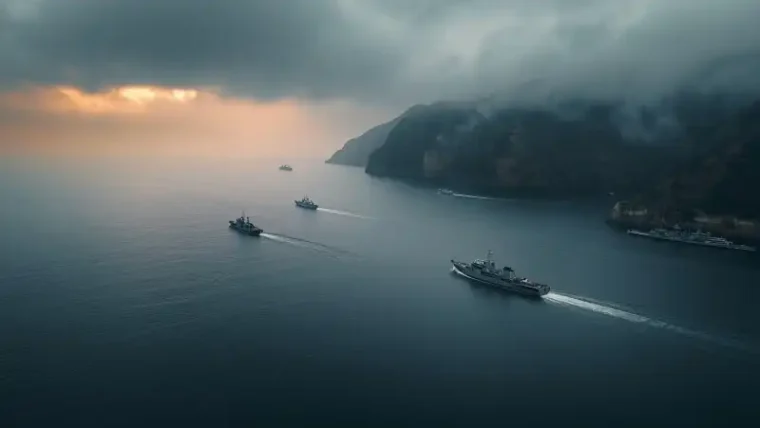
An international coalition led by the US and European allies deployed destroyers and jets to the area, as covered in reporting by CNN. They run continuous radar checks, escort container ships, and shoot down incoming drones or ballistic missiles.
Will this make stuff more expensive in shops?
Yeah, eventually. Features written by The New York Times show that when cargo ships burn two weeks of extra fuel on longer routes, freight charges go up. Retailers end up tacking those extra shipping fees onto clothes, electronics, food, and fuel.