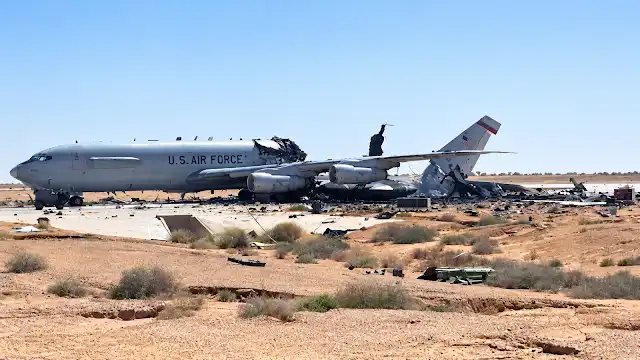
Things escalated quickly across the region this Friday, 18 September 2026. The ongoing Middle East crisis deepened further as international watchdogs raised severe legal alarms while energy markets braced for another aggressive round of price spikes. Between diplomatic stalemates at the United Nations and mounting anxiety over fuel rationing in the West, the wider fallout is hitting both military installations and domestic balance sheets.
War Crime Inquiries and Political Fallout in Washington
Legal evaluations and domestic political debates highlighted the mounting friction surrounding current operations:
Independent experts mandated by the United Nations stated that recent aerial bombardments inside Iran, which caused heavy civilian casualties across domestic gathering sites, warrant urgent inquiry under international humanitarian law as potential war crimes (BBC News).
US President Donald Trump addressed reporters on the tarmac, claiming extensive damage across regional infrastructure while noting that administration officials are weighing broader strikes against an eventual diplomatic resolution (Reuters).
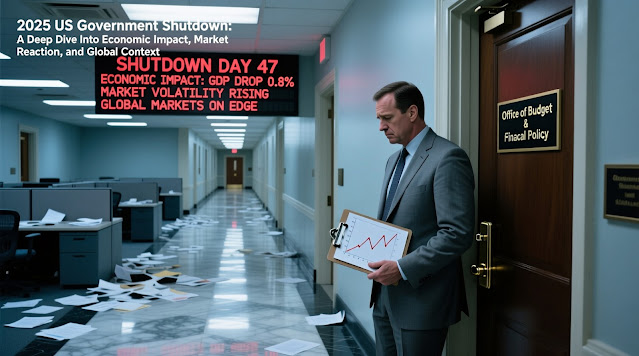
Representative Marjorie Taylor Greene publicly warned that the intensifying foreign campaign could soon force domestic government shutdowns and emergency fuel rationing due to severe supply disruptions (Fox News).
Energy analysts cautioned in national reports that retail petrol and diesel pump prices are heading toward a steep, damaging jump as commercial stockpiles drop (The Washington Post).
In an emergency debate in Congress, House representatives raised concerns over soaring deployment expenses while monitoring stations reported civilian queues forming at regional service stations (Associated Press).
United Nations Deadlock and Maritime Defense Buildups
Global powers traded diplomatic moves while Gulf states scrambled to secure incoming air corridors:
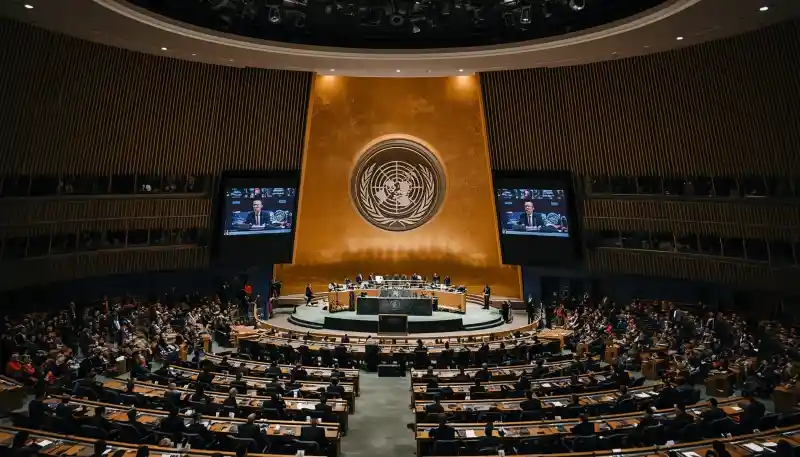
Russian and Chinese delegations exercised their joint veto power at the United Nations Security Council to shoot down an American-sponsored draft resolution that aimed to expand IAEA oversight over Iranian facilities (The New York Times).
Gulf cooperation partners significantly increased their emergency capital allocations for uncrewed aerial counter-technologies following recurring drone incursions across regional airspace (Bloomberg).
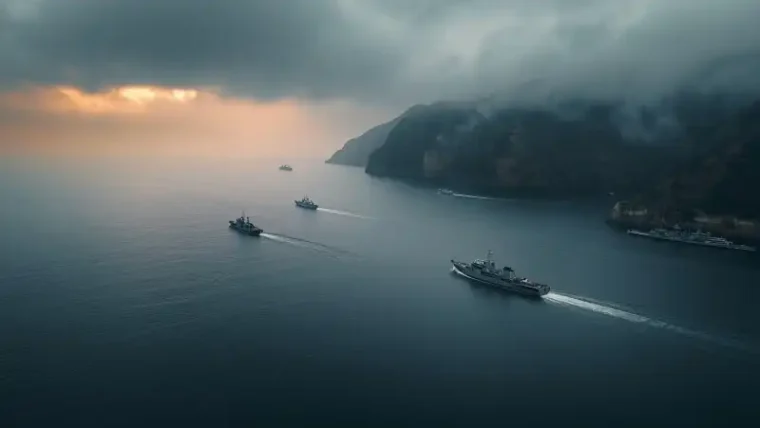
The commander of United States Central Command held consultations with Israeli and Gulf military leaders, formally pledging that American armed contingents will maintain their active regional posture (The Cradle).
Iran ordered the immediate expulsion of the Swedish ambassador in Tehran, mirroring a reciprocal diplomatic removal initiated in Stockholm earlier in the week (Al Mayadeen).
Investigative monitors documented that British charitable trusts routed an estimated £1.7 million toward settlement expansion across the occupied West Bank (Declassified UK).
Transit Blockades and Strategic Chokepoint Conditions
Hardline diplomatic positions across the Gulf continue to squeeze crucial commercial sea routes:
Political advisers to the Iranian Supreme Leader declared that the Strait of Hormuz will remain sealed to standard transit until current belligerent administrations step down (CBS News).
Regional security reviews indicated that Kuwaiti officials have quietly maintained diplomatic talks regarding prospective alignment within the Abraham Accords framework amid ongoing pressure (Israel Hayom).
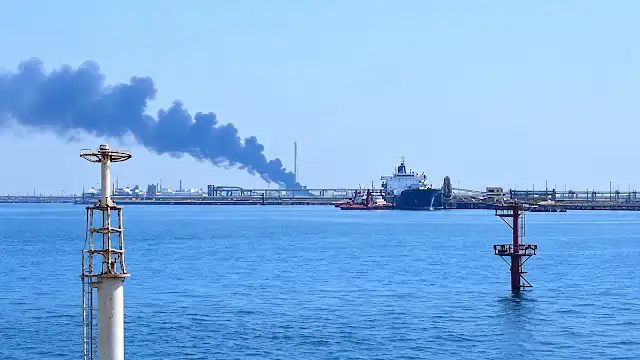
Commercial charter agencies recorded sharp rises in wartime risk premiums, with freight operators delaying shipments through the Gulf of Oman pending maritime escort details (Lloyd’s List).
International logistics tracking desks noted container freight delays spreading across continental supply nodes as vessels continue the longer detour around the Cape of Good Hope (Financial Times).
Defense ministries in neighbouring states met to draft alternative overland corridors to prevent total logistics blockades across the northern Arabian peninsula (Anadolu Agency).
Questions and Answers
What legal concerns did the United Nations raise regarding recent strikes?
UN investigators noted that airstrikes hitting non-military gathering points provide credible grounds for war crime investigations under international statutes (BBC News).
Why did the UN draft resolution on nuclear oversight fail?
Russia and China used their permanent veto power to strike down the American proposal aimed at expanding international monitoring teams (The New York Times).
What did US politicians say about fuel availability?
Lawmakers warned that prolonged Middle Eastern conflict will trigger severe domestic energy shortfalls and potential rationing across the country (Fox News).
What commitment did the US Central Command chief give to regional allies?
The CENTCOM commander assured allied commanders that American forces have no plans to withdraw from the region during current confrontations (The Cradle).
What condition did Tehran set for reopening the Strait of Hormuz?
Advisers to the supreme leadership stated that transit corridors will stay shut until the current political leadership in Washington and Tel Aviv is replaced (CBS News).
Why are Gulf states increasing spending on defensive systems?
Repeated uncrewed strikes on regional nodes have pushed administrations to pour large budgets into modern interception systems (Bloomberg).