- Gaza Red Sea Crisis August 2026: Red Sea Shipping Disruptions, Gaza Roadmap, and Israel’s Political Turmoil
- Red Sea Maritime Crisis: Saudi Supertankers Forced Around Africa
- Economic Fallout and Oil Prices: Trump Demands Lower Fuel Costs
- Disarmament Framework vs. Direct Support: The Gaza Roadmap Controversy
- Hospital System Collapse and Humanitarian Crisis in Gaza
- Israeli Cabinet Storm: Defense Minister Dismisses Army Commander Live on Air
- Deepening Public Disillusionment, Emigration Wave, and Military Drills
- Record Emigration Study
- Public Loss of Confidence
- Surprise Coastal Military Exercises
Gaza Red Sea Crisis August 2026: Red Sea Shipping Disruptions, Gaza Roadmap, and Israel’s Political Turmoil
Events across the Middle East took another dramatic turn on August 4, 2026. Maritime disruptions in the Red Sea escalated as a political crisis exposed widening fractures within Israel’s political and military leadership. Meanwhile, diplomatic efforts over post-war plans struggled to keep pace with a rapidly changing and increasingly volatile situation on the ground. Oil supertankers are being rerouted, and record-high emigration figures underscore the growing strain across the region. Here is the complete breakdown of today’s developments, backed by major newsroom coverage.
Red Sea Maritime Crisis: Saudi Supertankers Forced Around Africa
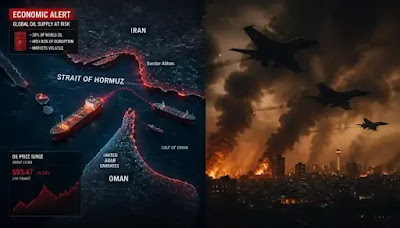
Commercial shipping through the region hit another major bump today. Blockade threats spread far past the Persian Gulf, forcing commercial oil tankers to back away from major sea passages to avoid potential strikes.
Vessel tracking updates confirmed that six Saudi supertankers pulled sharp U-turns near the Gulf of Aden. Instead of risking the tight Bab al-Mandeb strait to enter the Red Sea, these empty ships returning from Asian ports headed for the longer route around southern Africa.
This sudden detour happened right after Yemen’s Houthi movement declared a naval blockade on Saudi shipping. Steering ships around Africa adds huge delays, driving up ocean shipping costs and fuel prices everywhere.
The political fallout around these sea lanes is escalating fast:
- Turkish President Recep Tayyip Erdogan pledged full support to Saudi Arabia, speaking out against attacks on Red Sea trade.
- Iranian Foreign Ministry spokesperson Esmail Baghaei pushed back on claims tying Tehran to the Red Sea turmoil, arguing that Washington is just trying to dodge responsibility.
Economic Fallout and Oil Prices: Trump Demands Lower Fuel Costs
Expanding sea blockades and non-stop military standoffs sent immediate shocks through energy markets, forcing quick action out of Washington.
US President Donald Trump called on top executives at big energy firms like Chevron to drop retail fuel prices right away. Posting on social media, Trump argued that oil markets only calmed down because his administration paused planned strikes over the weekend to give peace talks a shot.
Still, energy analysts point out that as long as commercial traffic stays blocked across key waterways, supply bottlenecks will keep pushing consumer costs higher regardless of political pressure.
Disarmament Framework vs. Direct Support: The Gaza Roadmap Controversy
Diplomatically, newly leaked details have shed light on a comprehensive post-war proposal put forward by the Board of Peace aimed at ending the conflict in Gaza.
Reports confirmed that Gaza envoy Nikolay Mladenov met directly with Israeli Prime Minister Benjamin Netanyahu to map out governance terms. The proposed framework unfolds through three distinct phases:
- Surrendering Heavy Weapons: The proposed roadmap requires armed groups in Gaza to hand over their heavy weapons and transfer governing authority to a civilian administration as part of the post-war transition.
- Holding the “Yellow Line”: The roadmap envisions the IDF retaining positions along the “Yellow Line” throughout the disarmament process, with any future redeployment tied to the implementation of the agreement.
- Staggered Troop Withdrawal: Israeli forces won’t pull back past the Yellow Line until armed groups turn in their military gear.
Making this work on the ground is proving nearly impossible. Hamas leaders told mediators that continuous IDF airstrikes in Gaza are wrecking peace efforts, warning that non-stop bombing will bring all talks to a standstill.
At the same time, Iranian President Masoud Pezeshkian held a direct phone call with Hamas leader Khalil al-Hayya, promising full support despite ongoing regional tension.
Hospital System Collapse and Humanitarian Crisis in Gaza
While politicians debate roadmaps, healthcare conditions inside Gaza have deteriorated into a full-scale crisis.
Joint statements from Qatar, Egypt, and Turkiye condemned ongoing ceasefire violations, specifically calling out repeated strikes happening close to medical facilities.
Inside local hospitals, severe supply blockades have crippled basic operations:
- Running Out of Critical Drugs: Gaza’s Health Ministry called the situation a “silent catastrophe,” reporting a 60% shortage in cancer treatments.
- Basic Medical Depletion: Overall essential medicine supplies dropped by 47%, while surgical consumables face a 58% deficit.
- Lab Testing Breakdown: Diagnostic labs face an 85% shortage in testing supplies, making basic blood work almost impossible.
Israeli Cabinet Storm: Defense Minister Dismisses Army Commander Live on Air
Far away from the front lines, wild internal drama erupted inside Israel’s top leadership, creating a massive political and military mess.
Defense Minister Israel Katz shocked the country by announcing the immediate dismissal of IDF Central Command chief Maj. Gen. Avi Bluth during a live television interview on Channel 14, naming Dado Bar Kalifa as his replacement without running it through standard military channels.
The unexpected TV announcement sparked immediate fury across the military:
- Military Brass Rejection: IDF Chief of Staff Lt. Gen. Herzi Halevi and top generals completely rejected the firing. Chief of Staff Eyal Zamir stepped in directly, telling General Bluth, “You’re not going anywhere.”
- Netanyahu Intervenes: Prime Minister Benjamin Netanyahu was reportedly furious over Katz’s unannounced TV appearance, calling the public firing reckless.
Deepening Public Disillusionment, Emigration Wave, and Military Drills
Months of multi-front fighting are taking a heavy toll on Israeli domestic stability, public trust, and population movement.
Record Emigration Study
Fresh research from Tel Aviv University showed that record-high emigration out of Israel continued for a third straight year in 2025. Data shows between 45,000 and 50,000 Israelis left the country for more than 12 months in 2025 alone, citing ongoing military operations and political instability as primary reasons.
Public Loss of Confidence
A recent Channel 12 poll showed that 62% of respondents do not believe Israel will ever achieve Netanyahu’s promised “total victory” in Gaza. On top of that, 57% of voters gave Defense Minister Israel Katz a negative performance review after his live attempt to remove General Bluth.
Surprise Coastal Military Exercises
Amidst this political chaos, the Israeli military started two days of intense naval and ground exercises spanning the coastline from Shavei Tzion down to Ashdod, highlighting just how high tensions remain across every border.
Also Read: Iran War Update 3 August 2026
Frequently Asked Questions
Why are Saudi oil supertankers avoiding the Red Sea?
Shipping data showed six Saudi supertankers diverting around southern Africa to dodge the Bab al-Mandeb strait after Yemen’s Houthis launched a naval blockade against Saudi commercial shipping.
What did the Tel Aviv University study reveal about Israeli emigration?
A Tel Aviv University study found that between 45,000 and 50,000 Israelis left the country for more than a year in 2025, marking three straight years of record emigration due to ongoing conflict and political instability.
What is the main requirement of the Gaza disarmament roadmap?
The Board of Peace proposal requires Hamas and other armed factions to completely surrender their weapons in exchange for civilian rule, allowing IDF forces to hold positions along the “Yellow Line” during the transition.
Why did a controversy break out over IDF Central Command chief Avi Bluth?
Defense Minister Israel Katz tried to fire Maj. Gen. Avi Bluth live on television without consulting military leaders, drawing instant pushback from IDF Chief of Staff Eyal Zamir and Prime Minister Netanyahu.