- US Iran War Update 5 August 2026: Hormuz Reopening Deal, US Munition Shortages, and Border Movements
- Hormuz Transit Framework: Iran and Oman Negotiate Waterway Reopening
- Munition Bottlenecks: US Precision Missile Stocks Dwindle Rapidly
- Regional Friction: Strikes Near Kuwait, ICC Threats, and Border Mobilizations
- Israeli Cabinet Tightens Gaza Military Protocols
US Iran War Update 5 August 2026: Hormuz Reopening Deal, US Munition Shortages, and Border Movements
Honestly, the situation across the Middle East is moving so fast right now that catching up on today’s developments feels completely overwhelming. Between secret backchannel talks to reopen shipping lanes and massive missile shortages coming to light in Washington, today brought a huge wave of updates. Here is the direct breakdown of what actually happened, backed by major newsroom coverage.
Also Read: Iran War Update 4 August 2026
Hormuz Transit Framework: Iran and Oman Negotiate Waterway Reopening
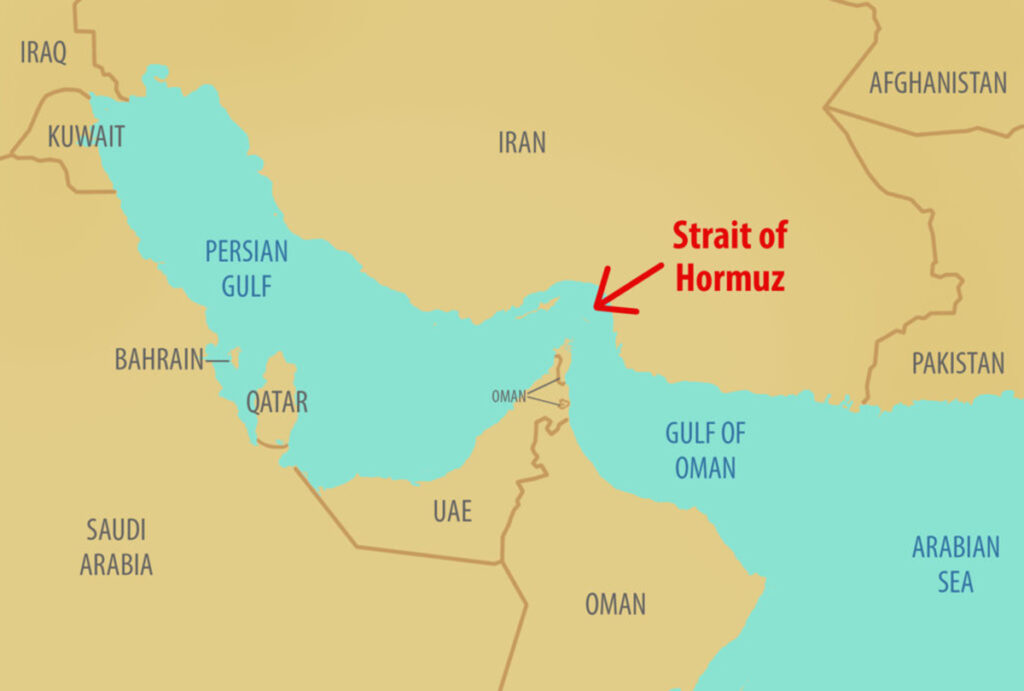
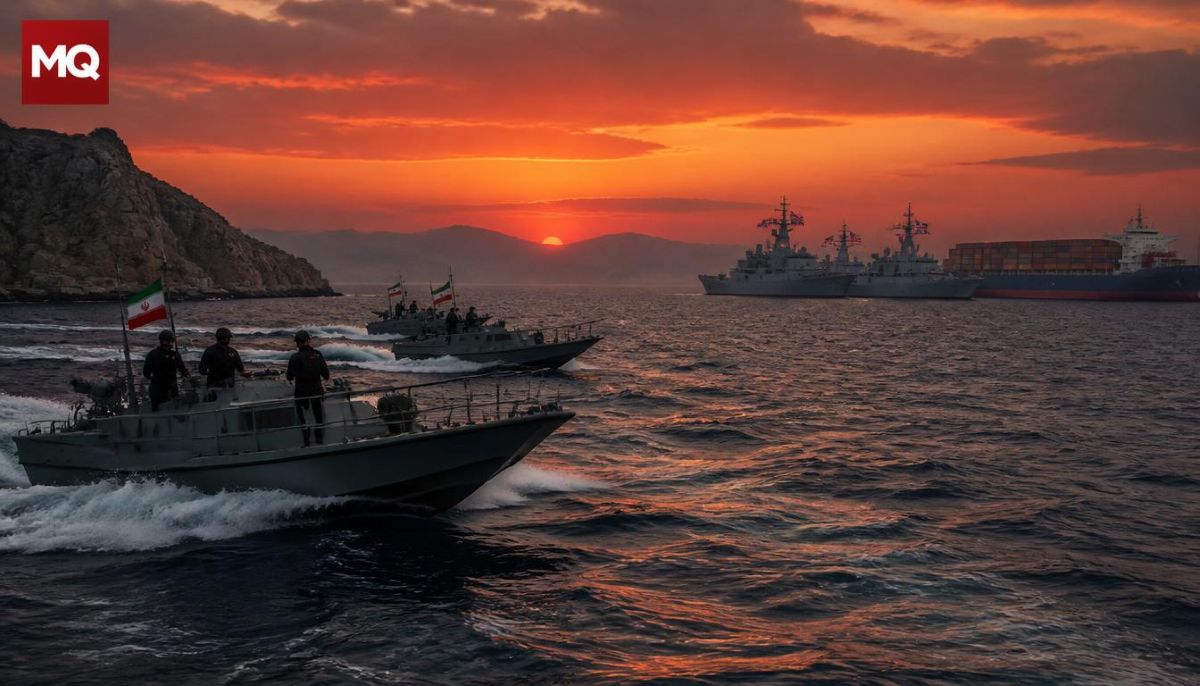
The most significant diplomatic movement today centers around the Strait of Hormuz, which has been effectively paralyzed amid ongoing military confrontation. According to CBS News reporting, direct backchannel negotiations between Iran and Oman have focused heavily on a structured proposal to reopen the narrow waterway to commercial maritime traffic. Under the proposed operational mechanics, inbound ships entering the strait would transit the channel closest to Iran under Tehran’s coordination, while outbound vessels would use the Omani side, managed directly by Muscat.
As detailed by Reuters, Iran is insisting on maintaining strict oversight over inbound shipping and complete visibility over outbound traffic, explicitly retaining the right to intervene if security concerns arise. The proposal also incorporates a financial mechanism—a service fee model where transit revenues collected from commercial vessels would be split between Iran and Oman. Furthermore, reporting by Bloomberg indicates that Tehran is actively weighing whether to allow European nations to participate directly in clearing naval mines laid across the strait to restore navigational safety.
For global supply chains, this deal carries enormous weight. Before the conflict, approximately a fifth of global liquefied natural gas (LNG) and a quarter of world crude oil flowed through Hormuz. Energy markets have experienced severe volatility, with major exporters warning European and Asian buyers of multi-month delivery delays. A functional agreement between Iran and Oman represents the first viable framework to relieve global energy bottlenecks.
Munition Bottlenecks: US Precision Missile Stocks Dwindle Rapidly
While diplomatic discussions progress in Oman, severe military supply constraints are coming to light inside Washington. As detailed by Reuters in an exclusive investigative report, the US military has used up virtually all of its long-range precision surface-to-surface missiles—specifically the Army Tactical Missile System (ATACMS) and the Precision Strike Missile (PrSM)—during the ongoing war.
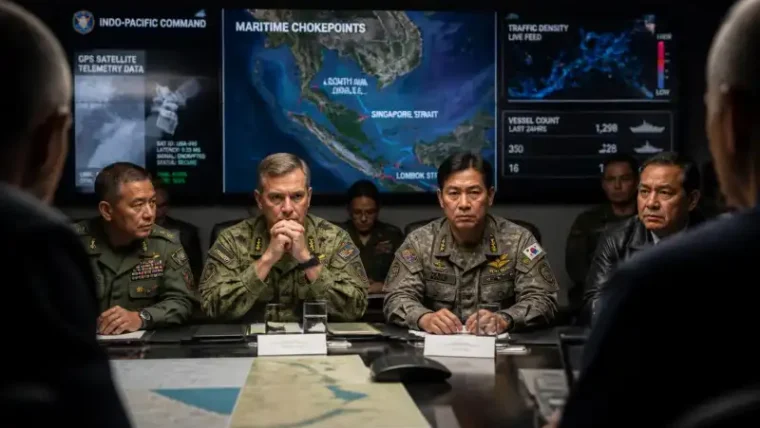
The heavy reliance on standoff precision munitions reflected an administrative strategy to attack heavily defended targets without putting manned aircraft at risk. However, as the conflict has dragged on far past initial timeframes, drawing weapons from global armories has created widespread concern among defense planners regarding long-term military readiness in other critical theaters, such as the Indo-Pacific.
Adding to these supply concerns, reporting by CNN confirmed that senior military commanders have warned that stockpiles of critical air defense interceptors are now dangerously low. According to Pentagon sources and internal military assessments:
- Interceptor Depletion: The US military has exhausted nearly 80% of its key missile interceptors.
- Patriot Systems: Roughly 65% of global Patriot interceptor stockpiles were used between February and July.
- THAAD Defenses: Stockpiles of THAAD ballistic missile interceptors have fallen by at least 38% since the start of combat operations.
- Tomahawk Cruise Missiles: US naval forces have expended just under half of their global Tomahawk missile inventory.
While White House officials dismissed concerns over depleted munitions—stating that the defense industrial base is ramping up production at record speed—defense analysts caution that production lines cannot instantly replace years of expended high-tech weaponry.
Regional Friction: Strikes Near Kuwait, ICC Threats, and Border Mobilizations
Despite ongoing talks in Muscat, tension remains extremely high across multiple borders:
- Kuwait Attacks and Cargo Strikes: Reporting from The Jerusalem Post shows that recent strikes landed near US installations in Kuwait, alongside fresh projectile hits on commercial cargo vessels near Oman.
- Pressure Over the ICC: As revealed by The Cradle, Washington is leaning heavily on African nations to step away from the International Criminal Court, warning of serious diplomatic fallout if they stay onboard.
- T-72 Tanks Heading South: Military updates confirm that Iran’s regular army shifted T-72 battle tanks down toward Abadan to lock down key border roads near Iraq and Kuwait.
Israeli Cabinet Tightens Gaza Military Protocols
Inside Israel, military command structures are adjusting to rising political and strategic pressure. According to reporting by The Times of Israel, the IDF has officially tightened its policy regarding targeted military strikes in the Gaza Strip. Under the newly implemented protocol, any targeted elimination operations now require explicit approval directly from IDF Chief of Staff Lt. Gen. Eyal Zamir.
Straight up, this shift happened because of growing arguments inside Israel’s security cabinet, plus international noise over what happens in Gaza next. With hospitals running out of basic supplies and destruction piling up daily, military leaders decided to pull operational approvals straight to the top.
Also Read: Iran War Update 3 August 2026
Frequently Asked Questions
How would the proposed Strait of Hormuz deal actually work?
Reporting from CBS News confirms that incoming cargo ships would use the Iranian channel, while outgoing ships take the Omani side, with both nations splitting transit service fees.
Is the US running low on missiles right now?
Yes, reports from Reuters and CNN show that Washington has burnt through almost all its long-range ATACMS missiles and about 80% of its main air defense interceptors.
Why did Israel change its approval process for Gaza strikes?
According to The Times of Israel, the IDF tightened rules so that targeted strikes now need direct clearance from Chief of Staff Lt. Gen. Eyal Zamir to prevent uncoordinated actions.