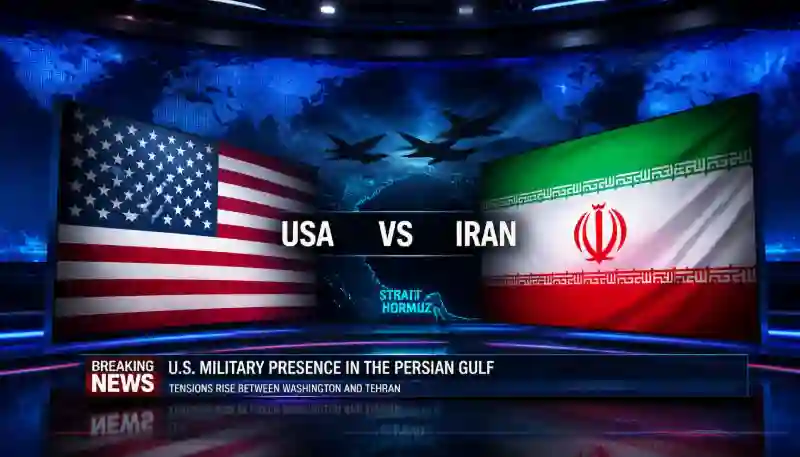
- Day 23 US-Iran Conflict: Canceled Strikes, Secret Mediation, and the Hormuz Crisis
- Why Washington Suddenly Backed Off
- Tel Aviv Found Out Through Social Media
- The Battle Over the Strait of Hormuz
- Military Realignment and Force Shifts
- Public Backlash and Strategic Uncertainty
- Gaza Ceasefire Hopes Continue to Fade
- Frequently Asked Questions
Day 23 US-Iran Conflict: Canceled Strikes, Secret Mediation, and the Hormuz Crisis
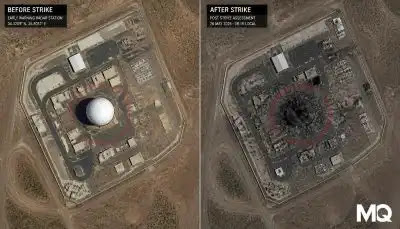
.On August 3, 2026 (Day 23 of the latest military escalation phase), things took a massive, unexpected turn between Washington and Tehran. Just when everyone thought air strikes were going to land deep inside Iranian territory, Washington suddenly pulled back. Between last-minute cancelled orders, furious Israeli officials finding out through social media, and quiet diplomatic chats happening in Muscat, the whole situation is completely chaotic right now. Here is what is actually going on, backed by major newsroom reporting.
Also Read: Iran War Update 2 August 2026
Why Washington Suddenly Backed Off
Look, things hit an absolute boiling point when Donald Trump posted that the US military was fully locked and loaded to hit Iranian targets. Military analysts around the world were basically waiting for the news to drop that bombs had landed. But right before launch orders went through, the whole thing stopped cold.
Reporting by Reuters confirmed that Donald Trump made the call to halt the attack after direct, urgent pleas from Middle Eastern leaders. They essentially begged the White House to pause and give diplomatic channels one final chance before the whole region went up in flames.
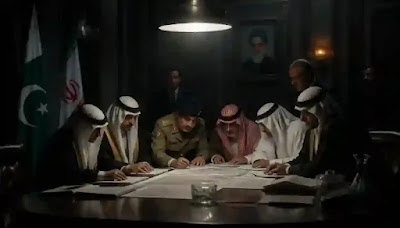
Behind the scenes, the pressure on Washington was intense. The Wall Street Journal detailed how Saudi Crown Prince Mohammed bin Salman placed a direct phone call to Donald Trump. He warned him straight up that launching massive bombing runs on Iran would trigger an uncontrollable regional firestorm, leaving local oil and energy infrastructure completely exposed to retaliatory strikes. Interestingly, reporting by The Wall Street Journal also revealed that the UAE had previously been pushing Washington to take a much harder military stance against Tehran, showing how split the Gulf states really are on this issue. Over on the diplomatic side, Al Jazeera cited Iranian parliament spokesperson Hassan Ghashghavi confirming that international mediators are actively trying to repair earlier agreements, with high-level talks quietly taking place right now in Muscat, Oman.
Tel Aviv Found Out Through Social Media
Major operational friction has surfaced inside Israel’s military command over Washington’s sudden retreat. Israeli military officers were actively preparing for joint operational moves when the cancellation happened out of nowhere.
The Times of Israel reported that Israeli government and defense officials were left completely out of the loop. They literally found out that Donald Trump called off the planned strikes by reading his public post on Truth Social. As further detailed by The Times of Israel, senior Israeli officials expressed massive frustration over the decision, especially since joint operational plans between US and Israeli forces had already been finalized before Washington pulled out unilaterally.
The Battle Over the Strait of Hormuz
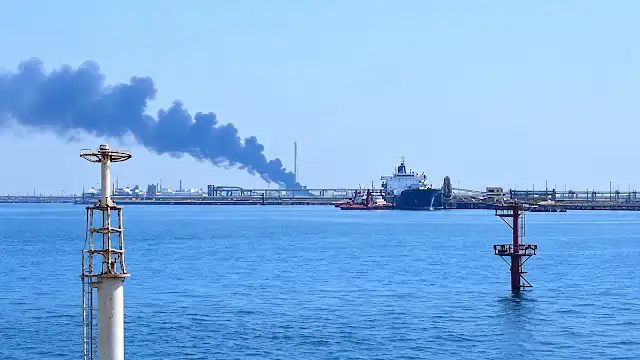
The biggest bottleneck in this whole war remains the Strait of Hormuz, the narrow waterway where a massive chunk of global crude oil passes through every single day. Washington tried to claim that a deal was basically done to reopen the waterway for commercial ships, but Iranian officials shut that narrative down immediately.
Reporting by Moneycontrol confirmed that Iran’s foreign ministry flatly rejected Donald Trump’s claims of an agreement to open the Strait of Hormuz. Tehran stated clearly that no deal exists and its maritime blockade policy remains fully active. Defense experts quoted in the National Security Journal pointed out that bombing campaigns alone cannot force a tight maritime passage like Hormuz open without causing catastrophic, long-term economic damage globally. Meanwhile, The Times of Israel reported that Iranian Foreign Minister Abbas Araghchi stated that talks with Oman regarding a joint governance plan for the waterway are currently entering their final stages.
Military Realignment and Force Shifts
While diplomats talk back and forth in Muscat, military assets across the Middle East are shifting rapidly on the ground. The Times of Israel reported that Iran’s Islamic Revolutionary Guard Corps is actively weighing pre-emptive strikes against US military facilities and Israeli positions if ongoing diplomatic talks with Washington collapse. At the same time, reporting by Asharq Al-Awsat revealed that the US military has started a pre-planned repositioning and partial withdrawal of personnel out of Iraq’s Kurdistan region. On the maritime front, Al Arabiya English confirmed that the US Navy has redirected at least 35 commercial vessels affected by the Iranian blockade as of August 2.
Public Backlash and Strategic Uncertainty
Washington’s handling of this crisis is drawing heavy criticism from analysts, foreign allies, and voters. Recent public polling data shows that 67 percent of respondents believe Donald Trump’s military decisions regarding Iran have actively harmed American national security interests, compared to just 21 percent who think those choices helped. Analysis from The New York Times highlighted deep fears among US allies that Washington is heading toward a strategic defeat, noting that despite months of escalating pressure, core objectives remain unfulfilled while regional partners face heightened vulnerability. Furthermore, experts cited by Fortune warned that repeated operational pauses have given Tehran space to sense blood in the water and leverage its strategic positioning across regional proxy networks.
Gaza Ceasefire Hopes Continue to Fade
While global attention remains fixated on Iran, military operations inside the Gaza Strip have intensified, completely wiping out hopes for a quick ceasefire. The Times of Israel reported that senior Israeli Energy Minister Eli Cohen explicitly confirmed Israel has not agreed to pause strikes in Gaza. Quds News Network highlighted that Israeli Finance Minister Bezalel Smotrich urged Prime Minister Benjamin Netanyahu to approve three new settlements in the northern Gaza Strip. To make matters worse, Anadolu Agency cited Gaza’s Health Ministry reporting that 152 Palestinians were killed in Gaza during July alone, marking the highest monthly casualty count recorded this year.
This combination of US policy shifts and ongoing strikes in Gaza is straining relationships between Western powers and regional states. Asharq Al-Awsat and The New York Times both noted that European partners, including the UK, France, and Germany, are privately voicing frustration over the lack of a clear exit strategy from Washington. Meanwhile, Gulf nations that traditionally relied on American security guarantees are opening direct diplomatic lines with Tehran to protect their own infrastructure and maintain domestic stability.
Frequently Asked Questions
Why did Donald Trump cancel the military strikes on Iran?
Verified reports from Reuters and The Wall Street Journal show that Donald Trump backed off after receiving direct appeals from regional leaders, including a phone call from Saudi Crown Prince Mohammed bin Salman warning of wider regional war.
Is the Strait of Hormuz open for commercial shipping right now?
No. According to Moneycontrol, Iranian officials explicitly denied making any deal with Washington to reopen the Strait of Hormuz, confirming that their blockade remains active despite ongoing talks in Oman.
Did Washington inform Israel before calling off the attack?
No. Reporting from The Times of Israel confirms that Israeli military and political leaders were not notified in advance and only learned about the decision through Donald Trump’s social media post.
What has the IRGC threatened if diplomatic talks fail?
As reported by The Times of Israel, the IRGC warned it may launch pre-emptive military strikes against US assets in the region and Israeli targets if negotiations in Muscat fail.
Has Israel agreed to a ceasefire in Gaza?
No. The Times of Israel cited senior cabinet ministers confirming that no agreement exists to halt ongoing military operations in Gaza.