- West Asia Standoff: Carrier Burnout, Hormuz Tensions, and Backchannel Moves
- Mental Health Strain Hits USS Abraham Lincoln
- Pentagon Brass Warn Against Forcing the Strait of Hormuz
- Backchannel Diplomacy and Quiet Gulf Moves
- Financial Fallout and Iran’s BRICS Pivot
- Human Rights Disputes and Embassy Reductions
West Asia Standoff: Carrier Burnout, Hormuz Tensions, and Backchannel Moves
Things across West Asia are getting properly intense right now. What started as targeted containment has dragged on into a heavy war of attrition, creating massive logistics bottlenecks, fried nerves, and high-stakes financial moves across the region. While local leaders move fast to safeguard vital energy assets, commanders over at the Pentagon are issuing serious warnings about the true cost of trying to control the seas by force.
Mental Health Strain Hits USS Abraham Lincoln
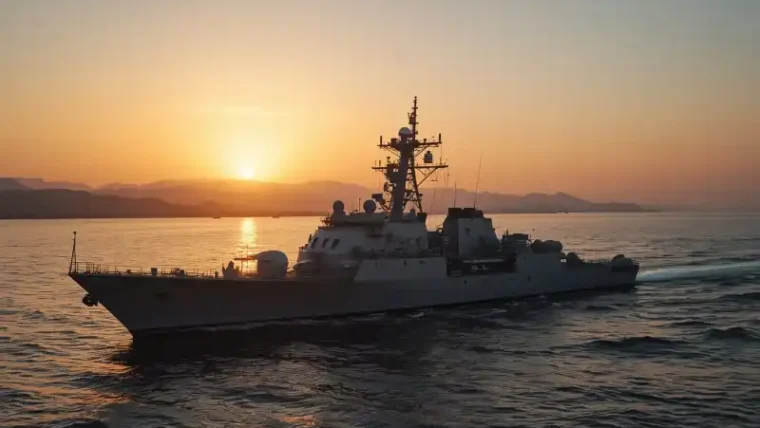
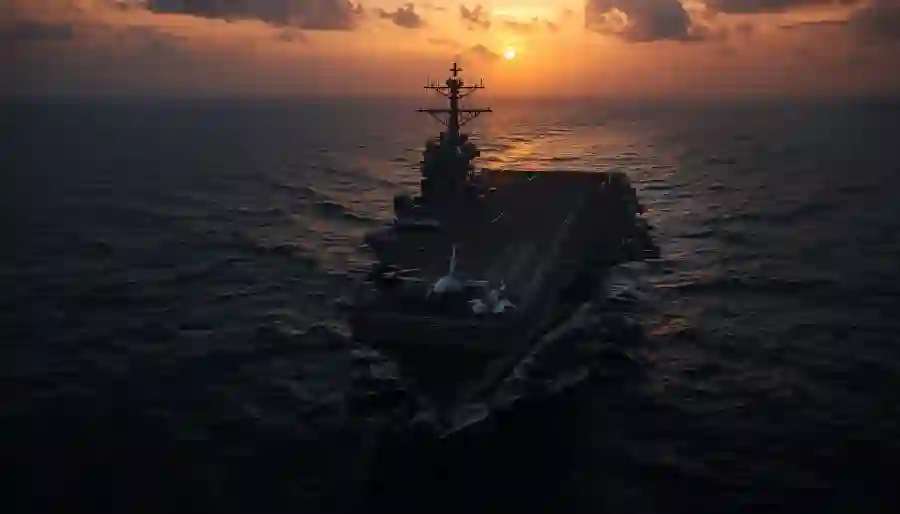
The sheer toll of continuous force projection in the Arabian Sea is catching up with crews faster than expected. According to The Guardian, the prolonged deployment of the USS Abraham Lincoln—stretching to 250 consecutive days at sea—is taking a severe toll on the mental health of its sailors and Marines. Back-to-back days at sea without a single port of call. That is a record stretch for the vessel and its crew of 5,000, keeping them stuck on nonstop deterrence missions against Iranian forces while reaching total physical and psychological limits.
Life on board has grown increasingly bleak. Outlets such as Navy Times and Stars and Stripes pointed out several alarming events, including sailors trying to jump overboard during these long operational stretches. Families back home and lawmakers have openly voiced concern about degraded living conditions, pointing to long spans without hot water, broken sanitation setups, and supply delays linked to damaged forward bases. With standard logistics under strain, naval brass is facing mounting pressure from Congress to rethink rotation schedules and address widespread burnout across Middle East naval assets.
Pentagon Brass Warn Against Forcing the Strait of Hormuz
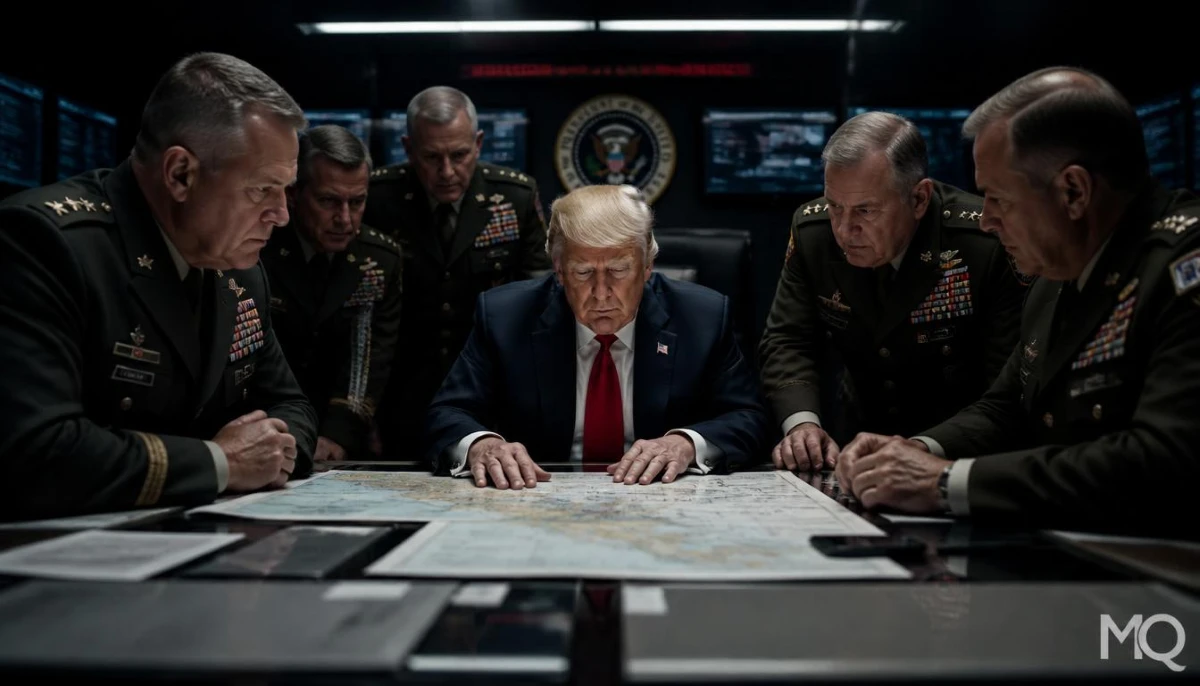
Even as political voices in Washington push for a tougher stance, top naval officers at the Pentagon are issuing direct operational warnings. Straight up, reporting originally coming from NBC News and picked up by Al Mayadeen highlights how senior American military leadership warned Donald Trump against attempting any forced takeover of the Strait of Hormuz. Defense analysts made it clear that trying to grab control of such a narrow passage would turn into an extended, outrageously costly, and dangerous campaign, with zero promise of actually securing full command over the area.
Trying to hold that narrow corridor means deploying heavy surface fleets into dangerously tight waters. That leaves massive aircraft carrier strike groups exposed as sitting ducks for land-based anti-ship missiles, fast-attack boats, and dense drone swarms. Meanwhile, statements released by the Persian Gulf Strategic Agency restated that the strait remains firmly closed to unauthorized commercial shipping until Tehran’s core security and diplomatic demands are met.
Backchannel Diplomacy and Quiet Gulf Moves
Behind all the fierce posturing in public, backdoor discussions are still quietly making headway. Outlets like Anadolu Agency noted that both U.S. and Iranian reps have reached a tentative understanding to stretch the current 60-day truce beyond the mid-August cutoff. While official statements sound unyielding, communication keeps flowing through third-party nations in a bid to set boundaries and prevent a full-blown regional explosion.
Simultaneously, surrounding Gulf states aren’t sitting idle. Independent flight tracking observed non-scheduled UAE state planes making direct trips to Tehran for emergency discussions. Regional monarchies are moving fast to set up direct lines with Tehran, eager to shield shipping routes, oil facilities, and vital water plants from getting caught in the crossfire.
Financial Fallout and Iran’s BRICS Pivot
This whole maritime blockade continues to dump massive financial costs onto global trade and regional economies alike. As highlighted in reporting by The Jerusalem Post, Iranian commerce officials calculate that sea blockades and trade restrictions are draining upwards of $18 billion yearly in delayed shipments and extra routing fees.
To counter these economic squeezes, Tehran is pushing hard to anchor itself into non-Western money networks. Reporting from Reuters confirms that Central Bank chief Abdolnaser Hemmati revealed plans to join the BRICS New Development Bank. Securing this spot lets Tehran run international deals and settle payments entirely outside the U.S. dollar network. Earlier updates on regional maritime blockades covered the Iran Hormuz Crisis: 5 Major Developments as economic pressures mounted.
Human Rights Disputes and Embassy Reductions
Western governments are also sharpening their criticism over judicial actions inside Iran. Joint reporting by Reuters notes that the European Union, alongside 26 states, issued a formal rebuke over death penalties given to political detainees. Tehran then put out taped confessions of convicts linked to foreign intelligence networks. In response, European diplomats raised the prospect of fresh targeted sanctions, piling another layer of tension onto the standoff.
Fearing sudden military escalation, Washington moved to protect diplomatic personnel across the region. CNN reported that U.S. embassies in multiple Middle Eastern capitals received instructions to prepare for extended periods of reduced staffing and heightened posture, ordering non-essential personnel and military dependents to clear out of high-risk outposts.
Security concerns were further elevated by intelligence assessments regarding Iranian tracking capabilities. Intelligence details published by The New York Times revealed that Iranian security services managed to track precise location details during Trump’s attendance at a NATO summit. On the military front, Iranian defense personnel stated openly that more than three-quarters of their missile and drone caches stay fully intact and ready for prolonged action. Recent tracking alerts follow heightened security measures seen during the Diego Garcia Drone Sighting across regional military outposts.
Frequently Asked Questions
What is going on aboard the USS Abraham Lincoln?
Reporting from The Guardian highlights that service members on the USS Abraham Lincoln are facing intense strain following 250 continuous days at sea without port stops.
Did the US and Iran extend their ceasefire deal?
Anadolu Agency details that diplomats reached an agreement to prolong the 60-day ceasefire framework past August while keeping quiet channels open.
How much is the Strait of Hormuz blockade costing Iran?
Data cited by The Jerusalem Post indicates trade barriers and naval blockades could hit Iran’s economy with nearly $18 billion in annual losses.
Why is Iran planning to join the BRICS bank?
As detailed by Reuters, Central Bank Governor Abdolnaser Hemmati outlined the BRICS New Development Bank move to clear trade transactions outside U.S. banking control.