Middle East war update: US Hits Iran Tankers
Honestly, anyone who thought things were about to cool down across the Persian Gulf got a proper reality check this morning. Looking at this latest Middle East war update, events on 6 September 2026 have pushed the confrontation into dangerous new territory. What began as targeted skirmishes has completely spilled over into open tanker warfare in the Strait of Hormuz, new multi-billion-dollar weapons pipelines, internal panic inside the Pentagon over classified leaks, and brutal raids that are shattering civilian lives across multiple regional borders.
Direct Tanker Hits in Hormuz, Washington’s Arms Bonanza, and Trade Freezes
The maritime corridor running through the Gulf has turned into an active combat zone:
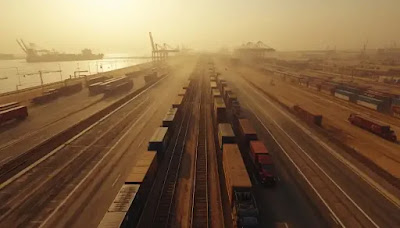
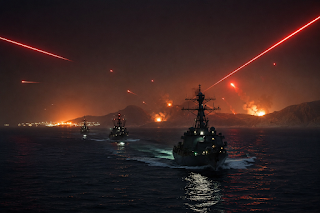
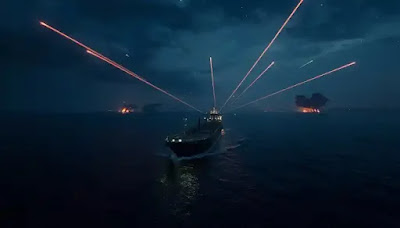
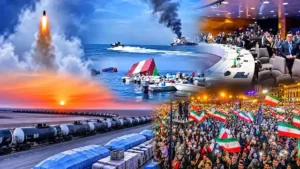
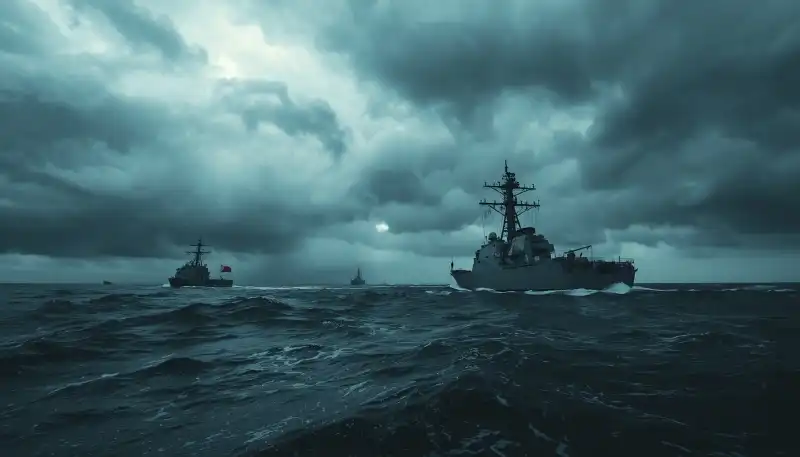
American naval forces launched direct strikes hitting three Iranian commercial tankers navigating the Strait of Hormuz, claiming the offensive was immediate payback for previous drone and missile strikes on US-linked vessels (Reuters). Tehran confirmed three vessels took structural damage but reported zero fatalities, with injured crew members pulled off the ships and moved inland for urgent medical treatment.
University of Tehran professor Seyed Mohammad Marandi warned that all US naval vessels are now designated operational targets, stating that further strikes on Iranian vessels will trigger multiple hits against shipping tied to any country aiding the US campaign.
Iranian Foreign Ministry spokesperson Esmail Baghaei openly questioned the ethics behind American recruitment drives, asking why students are being pushed to trade debt relief for military service in overseas conflicts.
Washington approved a massive $5 billion foreign military sales package supplying air-defence interceptors and heavy tactical hardware to Saudi Arabia and regional partners (The Cradle). In a parallel economic blow, trade desks in the United Arab Emirates began freezing clearance channels and winding down commercial transactions with Iranian firms under heavy secondary sanctions pressure.
Meanwhile, a major civilian tragedy shook Hamedan province in western Iran, where an oil tanker collided with heavy highway traffic and exploded into a massive fireball, killing ten people instantly.
Lebanon Ridge Sweeps, Mine-Laying Missiles, and Kurdish Separatist Agendas
Tactical shifts are unfolding rapidly across regional land and sea fronts:
The Israel Defense Forces announced plans to pull back front-line forces from the Ali al-Taher ridge in southern Lebanon after flattening key underground tunnel infrastructure (Al Jazeera). Israeli Prime Minister Benjamin Netanyahu defended previous pre-emptive strikes against Iranian infrastructure, warning that any renewed enrichment or regional military pacts will be met with immediate cross-border strikes (Haaretz).
A technical breakdown by France 24 revealed that Iranian military units have modified rocket launchers stationed on Larak Island to fire naval mines directly into Hormuz shipping channels, bypassing traditional boat deployments. Policy op-eds in The Jerusalem Post called on Washington to formally back Iranian ethnic minority factions, including Kurds, Ahwazi Arabs, and Baluchis, to foment domestic unrest against Tehran.
Speaking at the BRICS legal conference in New Delhi, Iranian Chief Justice Gholam-Hossein Mohseni-Eje’i warned non-aligned states that staying silent over Western air raids sets a precedent that will eventually land on their own doorsteps.
Pentagon Leak Scramble, Academic Weapon Deals, and West Bank Demolitions
Internal political tensions and frontline destruction are compounding the crisis:
The Pentagon began polygraph lie-detector testing for roughly 50 Joint Staff members after classified leaks revealed that forward-deployed US interceptor stockpiles have dropped to critically low numbers (CNN). An investigative report by Responsible Statecraft revealed that over 30 US universities have taken in millions of dollars in military research funding to develop surveillance crawlers and precision missile guidance software for Israeli forces.
Israeli authorities handed down demolition notices targeting 14 schools in Masafer Yatta across the occupied West Bank, putting classroom access for over 1,600 children in jeopardy (Al Jazeera). In Gaza, rescue workers pulled 55 bodies from collapsed buildings, while Israeli airstrikes across southern Lebanon killed four civilians and left ten others wounded.
Across central Yemen, ferocious fighting between government units and Houthi fighters left 60 people dead in 24 hours as Houthi units seized strategic high ground.
Frequently Asked Questions
Why did US naval units strike three Iranian tankers in Hormuz?
The US Navy hit three Iranian tankers in the Strait of Hormuz, describing the strikes as direct retaliation for previous drone and missile attacks on American maritime assets in the Gulf.
What did France 24 reveal regarding Iranian naval mines?
France 24 reported that Iran has modified shore-based rocket launchers on Larak Island to fire naval mines directly into the Strait of Hormuz shipping lanes.
Why is the Pentagon administering polygraph tests to staff members?
Pentagon officials subjected around 50 staff members to polygraph tests to find the source behind leaks exposing depleted American interceptor stockpiles.
What does the $5 billion US arms deal cover?
The newly approved $5 billion arms package supplies Saudi Arabia and Gulf partners with advanced surface-to-air interceptors, radar equipment, and precision munitions.
Why are schools in Masafer Yatta facing demolition?
Israeli authorities issued stop-work and demolition orders against 14 schools in the West Bank’s Masafer Yatta district over administrative permit disputes in Area C.