Naval Interdictions, Air Campaigns, and Pipeline Infrastructure
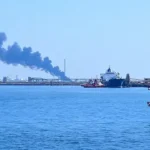
Frontline engagements and defensive measures saw major escalation across vital trade corridors:
- Yemeni parliamentary representatives formally ratified national general mobilisation bills to enlist civilian volunteers into armed divisions following border warnings (Al Jazeera).
- Official military dispatches in Aden reported that combined operations killed or injured 476 opposing fighters across active deployment sectors within a single day (Al Mayadeen).
- Coastal commands reported repeated coalition airstrikes carried out by advanced fighter platforms targeting munitions sites and storage facilities across western districts (Press TV).
- Saudi Aramco completed comprehensive technical repairs on the East-West crude pipeline, fully restoring overland petroleum transmission to bypass volatile naval routes (The Wall Street Journal).
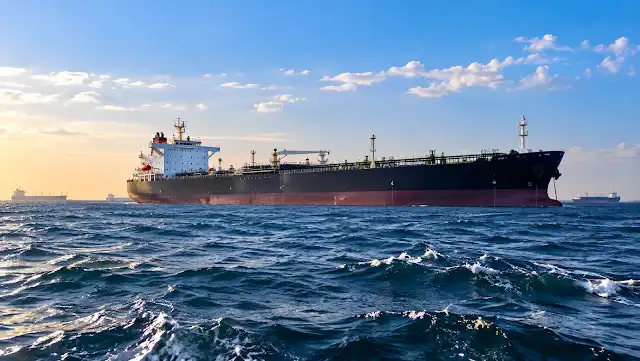
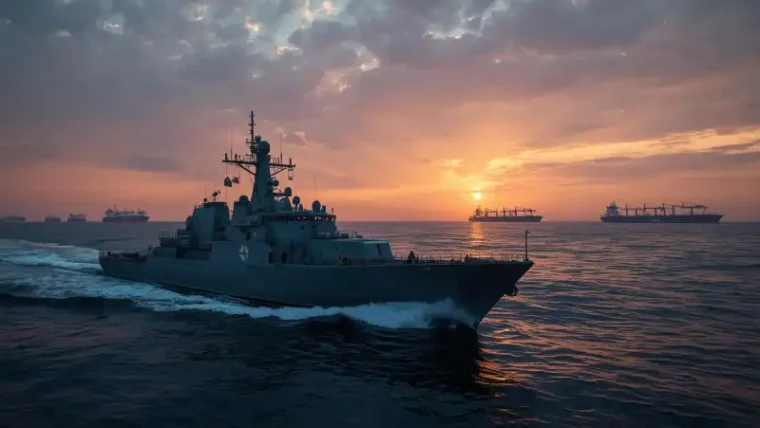
- European naval officials with Operation Aspides stated that international escorts require additional destroyers and frigates to keep commercial sea lanes open (Al Mayadeen).
- Royal Moroccan authorities issued a formal declaration affirming that security threats against sovereign Saudi territory would be regarded as mutual challenges to shared regional security (Saudi Gazette).
These sudden logistics shocks closely resemble the maritime blockades tracked during the Strait of Hormuz shipping crisis, where commercial convoys were forced into extensive diversions around the African continent.
Legal Disputes, Intelligence Revelations, and Diplomatic Friction
Away from coastal sectors, sharp political disputes and judicial proceedings surfaced across multiple regional capitals:
- Former European parliamentary deputy Stelios Kouloglou filed formal criminal complaints regarding alleged surveillance software usage against journalists and political figures (European News Dispatches).
- Investigative reports indicated Egyptian intelligence leadership had conveyed pre-incident warnings to Tel Aviv days before the 7 October 2023 border incursions took place (The Times of Israel).
- Israeli Prime Minister Benjamin Netanyahu rejected these reporting claims as groundless, filing formal libel notices and insisting no advance intelligence dossiers were received (Official Government Statements).
- Israeli diplomatic sources confirmed the Prime Minister carried out a private weekend flight to Abu Dhabi to discuss mutual security postures with UAE President Mohamed bin Zayed (The Times of Israel).
- Israel’s internal security agency Shin Bet lodged formal complaints with military censors against Channel 12 for publicly disclosing details of the clandestine Gulf meeting (The Times of Israel).
- Satellite mapping updates revealed widespread structural clearance across northern urban perimeters, showing severe infrastructure degradation across major community hubs.
The growing diplomatic friction across international institutions reminds readers of the complicated dynamics explored in our earlier coverage of the Iran war crisis, where multilateral treaties faced severe strain from unilateral military actions.
International Consultations, Trade Logistics, and Alliance Postures
International delegations and regional mediators continued addressing the broader economic fallout:
- Diplomatic envoys held high-level sessions in Washington to discuss bilateral security cooperation and defensive radar coordination (Official State Briefings).
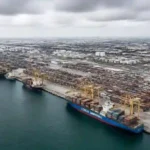
- Regional freight transport agencies expanded cross-border haulage routes via secondary highways to maintain steady commercial deliveries despite Red Sea vessel delays.
- International energy analysts noted that successful restoration of the East-West pipeline shields critical crude supplies from southern maritime choke points (The Wall Street Journal).
- Gulf diplomatic missions reiterated the urgent necessity of maintaining unimpeded global passage rights under established international conventions.
- Commercial maritime insurers maintained heightened war risk premiums for all non-escorted cargo vessels moving through the Bab el-Mandeb strait.
- Multinational security forces conducted joint communication drills to ensure swift emergency response protocols across southern waters.
Readers following these ongoing diplomatic developments can review our comprehensive analysis of the Saudi-Yemen war to understand how shifting ground alliances and maritime disputes impact international stability.
Frequently Asked Questions
What did the Yemeni parliament approve regarding military mobilisation?
Yemeni lawmakers approved a formal decree authorizing national general mobilisation to enlist civilian recruits following intensified border clashes (Al Jazeera).
What repairs did Saudi Arabia announce regarding oil infrastructure?
Technical teams completed repairs on the strategic East-West pipeline, restoring overland crude transmission to Red Sea export terminals (The Wall Street Journal).
Why did the European Union request more naval assets for Operation Aspides?
European naval commanders requested extra vessels to provide sufficient convoy protection for commercial shipping traversing southern waterways (Al Mayadeen).
What details emerged from the unannounced meeting in Abu Dhabi?
Official sources confirmed Prime Minister Benjamin Netanyahu held private security discussions with UAE leadership, sparking domestic reviews over security disclosures (The Times of Israel).
What claims were made regarding pre-October 7 intelligence warnings?
Reports cited prior intelligence communications from regional security chiefs, though official ministerial statements denied receiving any specific advance briefings (The Times of Israel).