Hormuz Maritime Controls and Regional Oil Exports
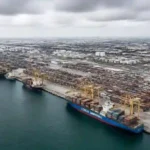
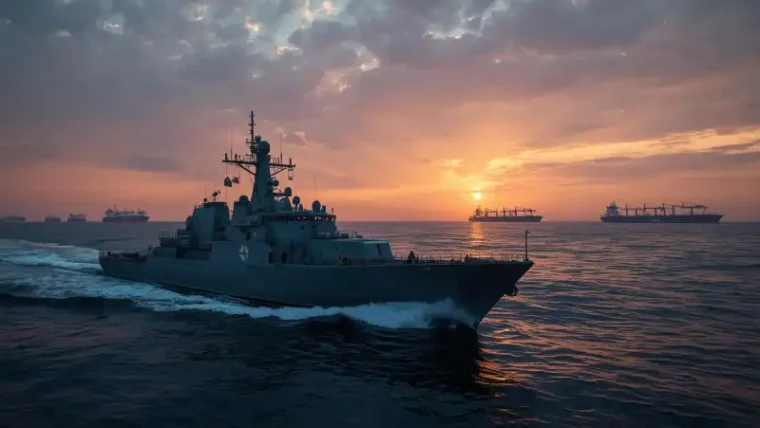
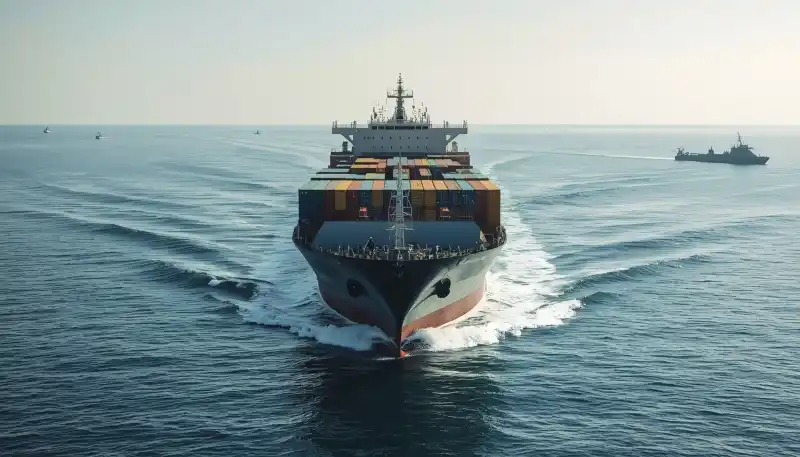
Fresh tracking dispatches regarding the Iran war crisis show heightened security measures expanding across regional waters on 29 September 2026. Maritime patrols near Qeshm Island and Minab intercepted two light vessels, detaining fifty individuals for navigating outside established maritime regulations (Al Jazeera). Despite strict waterway restrictions, energy transport data indicated that overall Middle Eastern crude exports staged a noticeable rebound through approved maritime lanes (Al Arabiya English). Strategic analysts noted that commercial logistics firms increasingly coordinate with regional coastguards to ensure safe navigation across key choke points. At the same time, regional economic researchers observed that domestic markets worldwide continue monitoring these fragile sea corridors to avoid unexpected transportation surcharges.
Naval Interdictions, Route Restrictions, and Trade Continuity
Maritime enforcement agencies implemented tighter logistical protocols along primary transit routes:
- Coastguard patrols in the Strait of Hormuz secured two commercial craft, holding fifty crew members over declared procedural non-compliance (Al Jazeera).
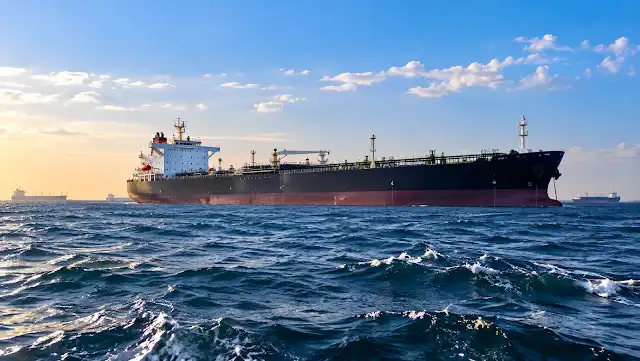
- Regional commercial shipping metrics showed Gulf crude exports rebounding significantly despite persistent maritime disputes (Al Arabiya English).
- Coastal defense authorities cautioned that foreign installations across neighboring states could face direct countermeasures if sovereign space is compromised (Al Mayadeen).
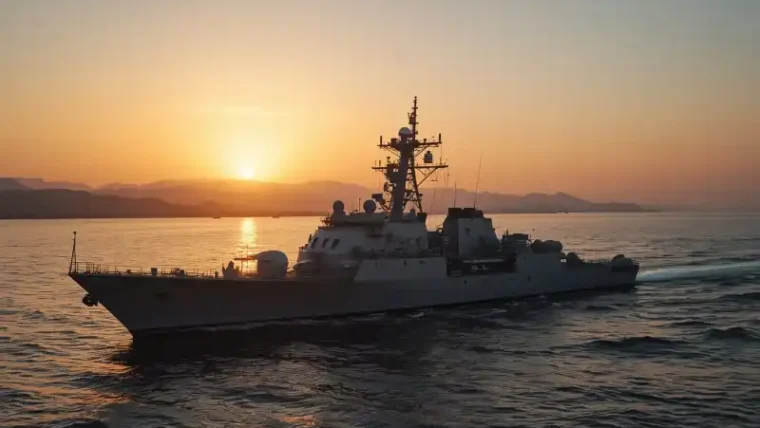
- Naval escort contingents expanded coordination to escort commercial tankers through verified deep-water lanes (Al Arabiya English).
- Port administrations introduced updated compliance registries to vet commercial craft before entering local territorial corridors (Al Jazeera).
- International freight forwarders adjusted maritime routes to align with active Gulf navigation notices.
These maritime tensions mirror the supply chain bottlenecks analyzed during the Strait of Hormuz shipping standoff, where channel restrictions pushed freight expenses higher.
US Military Deployments and Backchannel Diplomacy
Strategic pressure accelerated rapidly as international mediation efforts attempted to bridge diplomatic impasses. Diplomatic dispatches confirmed that international envoys urged compromise over strategic enrichment programs, though officials in Tehran maintained that domestic economic structures can withstand ongoing foreign restrictions (The Times of Israel). Concurrently, Washington deployed two additional fighter squadrons to southern Israeli airbases to bolster regional air defense networks (The Times of Israel). On the financial front, United States Senate committee findings highlighted that stablecoin transactions via Tether have become a significant financial mechanism facilitating external commercial exchange (Al Jazeera).
Meanwhile, transport authorities granted specific sanctions waivers allowing passenger flights between regional hubs and Najaf to continue uninterrupted (Reuters). In Tehran, aviation administrators confirmed that Imam Khomeini International Airport maintains comprehensive operational schedules across more than thirty global destinations despite Western aviation measures (Al Jazeera). European industrial monitors noted that these combined financial shifts maintain intense volatility across continental energy benchmarks.
Regional Alliances, Energy Markets, and Ground Realities
Multilateral strategic discussions expanded across regional capitals as ground operations continued shifting international alignments. Regional security committees issued formal statements cautioning neighboring territories that hosting foreign military facilities carries significant operational risks during regional crises (Al Mayadeen). Parallel to these strategic declarations, transport agencies worked to safeguard civil connectivity, utilizing humanitarian exceptions to preserve cross-border passenger traffic (Reuters).
Energy analysts underscored that the coexistence of strict maritime checks and steady crude flows reflects a delicate regional economic balance (Al Arabiya English). Bilateral diplomatic communications via regional intermediaries remain active, focused on de-escalation terms and maritime security protocols (The Times of Israel). As international observers track these evolving events, the broader Middle East remains focused on balancing strategic deterrence with critical trade stability.
These broader geopolitical developments reflect the regional security challenges explored in our ongoing analysis of the Saudi-Yemen war.
Frequently Asked Questions
What actions were taken against vessels in the Strait of Hormuz?
Regional patrols intercepted two light vessels near Qeshm Island, detaining fifty individuals for navigating outside approved transit lanes (Al Jazeera).
Did Middle Eastern oil exports decline following recent tensions?
Industry tracking data revealed that regional crude shipments rebounded during late September despite ongoing maritime friction (Al Arabiya English).
Why did Washington deploy fighter squadrons to the region?
Two fighter squadrons were positioned at southern airbases to enhance allied defensive coordination amid rising regional security alerts (The Times of Israel).
What exemptions were granted for regional aviation?
Authorities issued specific regulatory waivers permitting scheduled passenger flights between regional airports and Najaf (Reuters).
What did United States Senate reports indicate regarding digital currency?
A Senate inquiry identified stablecoin networks as a notable alternative financial channel utilized to facilitate cross-border transactions (Al Jazeera).