Day 12 Military Escalation: US Forces Move In as Washington Passes $95B War Package
Honestly, if you thought the situation across the Middle East was going to settle down anytime soon, Day 12 of the conflict gave everyone a harsh reality check. Behind the public warnings and shipping blockades, a major structural shift is happening across global military networks and national parliaments.
Look, what we are watching right now is a massive buildup of hardware, intelligence sharing, and huge legislative funding. From quiet meetings in Washington to fresh troop deployments across European airfields and Middle Eastern waters, Western powers and regional partners are clearly gearing up for a long confrontation.
Secret Intelligence Meetings and New NATO Base Access
Straight up, intelligence networks are working at full capacity right now.
Word came out via Axios that Mossad Director David Barnea made a quiet, unannounced flight to Washington to sit down with top US military leads. Closed-door talks mostly focused on mapping out potential long-range strike targets and sharing real-time intelligence around the Persian Gulf. At the same time, Western military footprints across Eastern Europe are expanding fast to handle regional support.
Over in Bulgaria, parliament officially approved letting US military assets use Bezmer Air Base. Under this arrangement, up to eight US aerial refueling tankers and 250 military personnel will set up at the Bulgarian base to support long-range air missions across the Middle East.
Fresh Troops on the Ground and Massive Defense Bills
Looking at the numbers coming out of Washington, military spending is hitting unheard-of levels. Coverage from PBS News showed House Republicans pushing through a $95 billion budget proposal aimed squarely at funding military operations in the region and supporting White House priorities.
Adding to that massive money push, Al Jazeera confirmed that the US House passed the National Defense Authorization Act with a $1.15 trillion defense budget in a close 216-to-212 vote. Crucially, the legislation includes specific provisions to formally connect US and Israeli military command structures for joint operations.
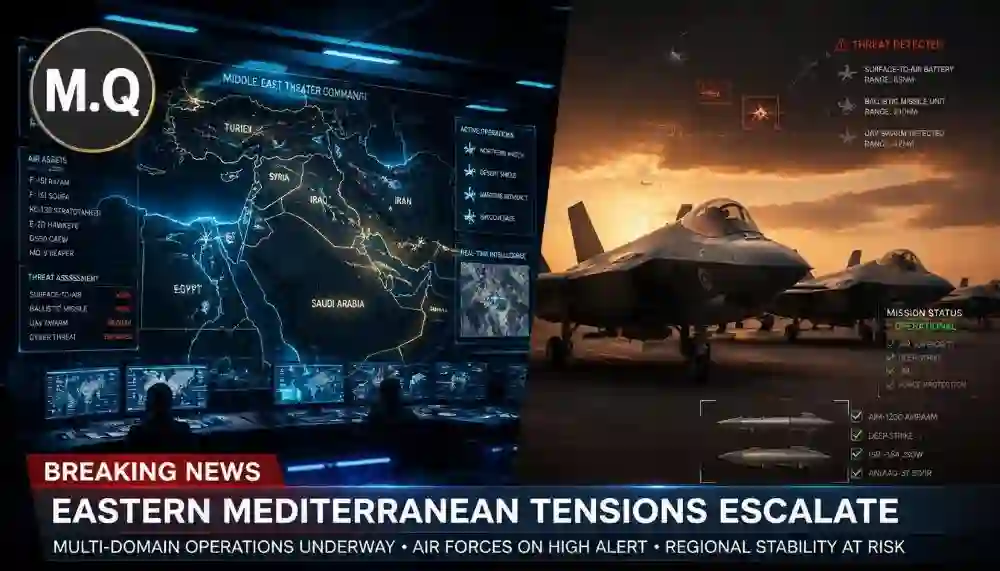
On top of the money, ynet News noted that Washington is moving more troops, medical command units, fighter jet squadrons, and special ops teams into the Middle East. That gives the White House plenty of room to expand combat options if things get worse.
Sea Mines in Hormuz and Ships Turning Back
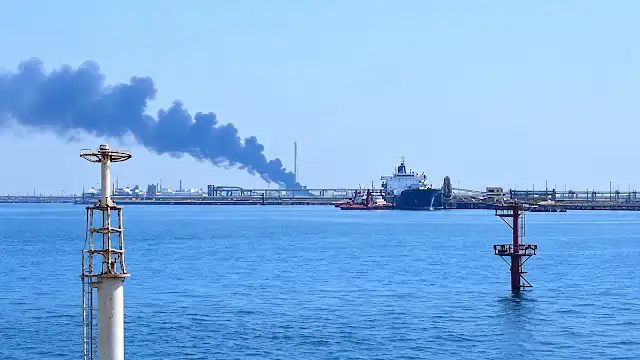
Things are getting properly chaotic out on the water. Reports picked up by Al Jazeera Arabic highlight warnings from the Iranian Revolutionary Guard Corps, claiming naval mines are now floating right along southern transit routes in the Strait of Hormuz.
Sources within the IRGC mentioned that two commercial tankers took direct blast hits while trying to navigate those dangerous mined corridors. Over on NDTV World, coverage showed at least two oil ships bound for India making sudden U-turns in the Red Sea as fresh threats made passage far too risky.
To make matters worse, a detailed maritime breakdown from Firstpost pointed out expert warnings that air superiority alone cannot clear or secure the Strait of Hormuz. Reopening these vital trade lanes would require a massive ground operation involving thousands of infantry soldiers.
The skies are shutting down fast too. Reports from Reuters revealed that European aviation authorities added Jordan to their high-risk airspace list, urging commercial flights to steer clear, along with existing warnings for Kuwait, Qatar, the UAE, and Bahrain. Reuters also confirmed that the United Kingdom temporarily evacuated its embassy staff from Tehran, shifting official diplomatic work to remote channels.
Expanded Target Lists and Wargame Realities
As reported by The Times of Israel, US military leaders updated Israeli partners on plans to step up airstrikes in coming days, including possible heavy bomber runs on deep underground sites like Pickaxe Mountain.
Iranian foreign ministry officials publicly denied having any nuclear setups at Pickaxe Mountain, calling the intelligence claims fake. Meanwhile, investigative reports from Reuters raised questions about potential Russian military intelligence help after Iranian forces hit covert CIA operational facilities in the region.
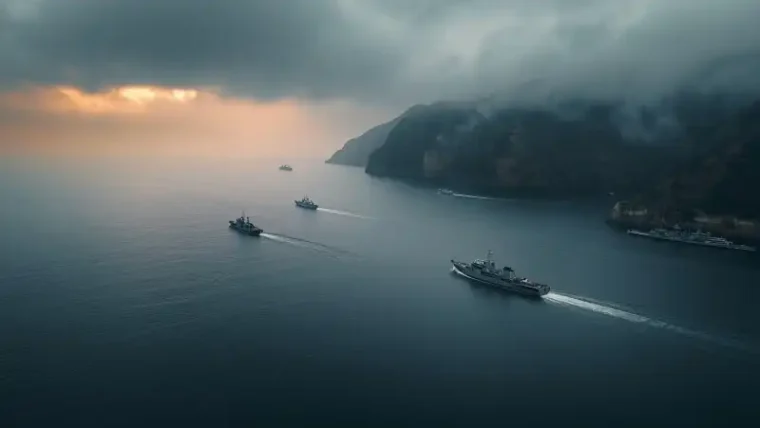
At sea, CBS News reported that US naval forces intercepted or redirected nine commercial vessels trying to enter or leave Iranian ports since the blockade tightened.
Look, while politicians talk about air dominance and naval blockades, military analysts see a much darker path forward. Strategic wargames conducted by defense experts suggest that keeping key trade channels open isn’t possible using airstrikes alone.
Ground realities indicate why military planners are sounding the alarm about a prolonged conflict. To properly protect narrow, heavily fortified straits against underwater mines, shore missile batteries, and fast attack boats, Western militaries may ultimately have to put boots on the ground near key coastal zones.
That exact strategic pressure explains why Washington is prepositioning medical units, special ops teams, and rapid-response forces across regional staging bases. The signs suggest they are preparing for an extended ground deployment should the naval standoff persist.
Frequently Asked Questions
Why did Mossad Director David Barnea visit the US?
Information from Axios indicates the Mossad chief flew into Washington to work out covert strategy and align military strike targets alongside US leads.
What is included in the new US defense bills passed by Congress?
Coverage from PBS News and Al Jazeera shows the US House adopted a $95 billion Iran war package alongside a $1.15 trillion NDAA bill that formally integrates US and Israeli military command structures.
Why did India-bound ships turn back in the Red Sea?
Reporting by NDTV World confirms that two tankers headed toward India flipped course after sudden naval alerts and mine threats made southern routes far too hazardous.
Why did the EU Aviation Agency add Jordan to its no-fly list?
Details from Reuters show that European aviation heads put Jordan on the warning list due to active missile intercepts and drone dangers across regional skies.
Are there naval mines in the Strait of Hormuz?
Statements on Al Jazeera Arabic reveal that IRGC sources claim sea mines were placed along southern Hormuz lanes, resulting in explosions on two passing tankers.
Disclaimer: This report is compiled for educational and informational purposes based on public diplomatic statements, official press releases, and major international news reporting.