- Day 14 Standoff: Trump Denies Chinese & Russian Aid to Iran as Houthis Block Saudi Red Sea Shipping
- Trump’s Public Defense of Xi, Putin, and Ukraine Weapons
- Houthis Declare Targeted Blockade on Saudi Ships in Bab el-Mandeb
- Iran Dismisses “Misleading” US Ceasefire Proposals
- Omani Delegation Arrives as China Pushes Pakistan to Mediate
- Economic Alarm Bells: $100 Crude and Gulf Trade Fallout
- Frequently Asked Questions
Day 14 Standoff: Trump Denies Chinese & Russian Aid to Iran as Houthis Block Saudi Red Sea Shipping
In the latest Iran War Day 14 Trump diplomatic developments, Washington faces rising political pressure as Iran dismisses temporary ceasefire terms and Houthis target Red Sea shipping routes. Honestly, if you thought the political drama between Washington and Tehran was going to cool off on Day 14, think again. The whole situation has hit a proper boiling point, with observers noting that the White House is under serious pressure as this war keeps dragging on. Look, what we are watching right now is a total diplomatic tussle. President Donald Trump took to social media with a massive clarification, trying to shut down chatter about Beijing and Moscow backing Iran. But over in Tehran and across regional trade routes, nobody seems to be buying the White House narrative.
If you missed the previous updates, check out our coverage on [Iran War Day 12 Military Escalation] and [Iran War Day 13 Escalation] to catch up on how this conflict developed.”
Trump’s Public Defense of Xi, Putin, and Ukraine Weapons
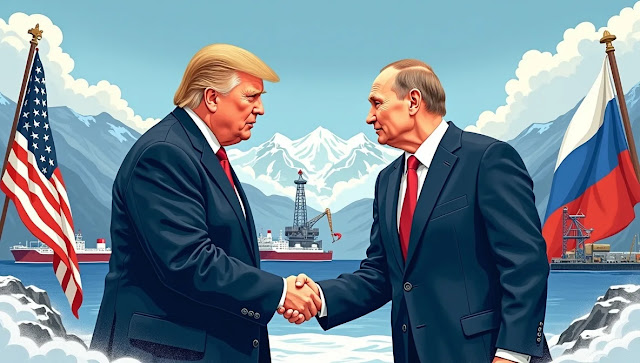
Straight up, Washington is sweating over how the world views Iran’s international backing.In a long social media post, President Trump claimed that President Xi Jinping personally gave his word during their Beijing meeting that China would not supply or sell weapons to Iran. He added that this pledge applies to Chinese companies as well.
Trump didn’t stop there. He brought up Russian President Vladimir Putin, claiming Moscow also gave assurances not to send arms to Tehran. Then came an interesting defensive turn—Trump tried explaining away US arms flows to Ukraine, arguing Washington sells directly to NATO members at full price, and where those weapons go next is out of his hands.
According to reporting from CBS News and Al Jazeera, former officials view this as a clear attempt by Washington to isolate Iran on paper while trying to calm nervous global markets. But social media reaction was brutal—the Iranian Embassy in Cuba even posted a viral meme showing Trump’s statement printed on a toilet paper roll to mock the White House claims.
Houthis Declare Targeted Blockade on Saudi Ships in Bab el-Mandeb
Out on the open sea, shipping lanes are feeling serious pressure right now. Updates picked up by CBS News feature Houthi negotiator Mohammed Abdusalam making it clear that their operations aren’t meant to lock down the entire Bab el-Mandeb Strait for everybody. Instead, Houthi forces put a strict blockade in place focused purely on Saudi Arabian traffic.
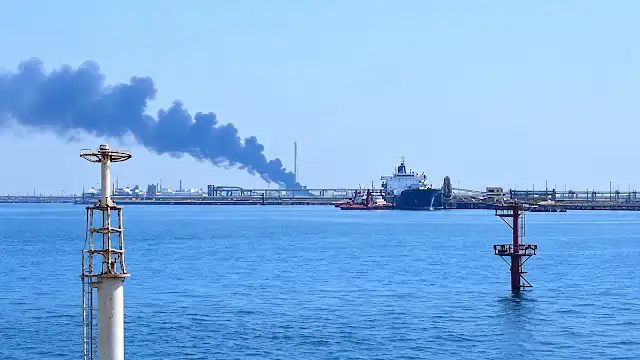
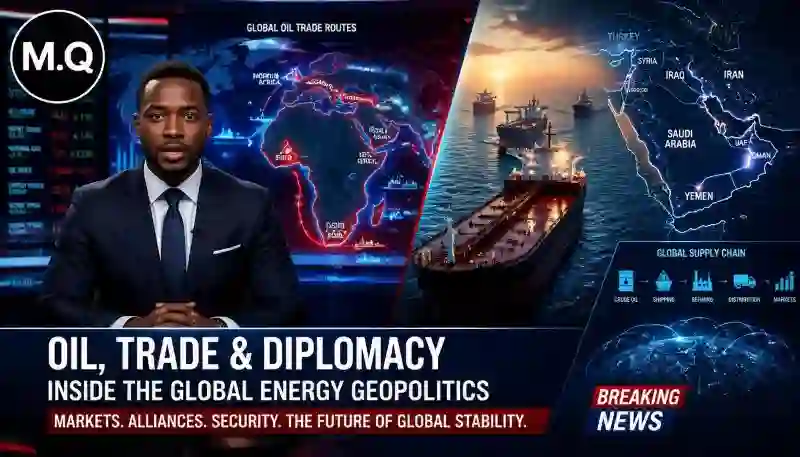
The group backed up their words by hitting two Saudi oil tankers in Red Sea waters, forcing Saudi shipping companies to stop using the Suez Canal route altogether. Tracking maps show Saudi vessels taking a massive detour right around Africa via the Cape of Good Hope, heading way out toward Australia before swinging back up toward European ports.
Trump issued fresh warnings of heavy military strikes if these attacks go on, but Red Sea shipping remains completely disrupted.
Iran Dismisses “Misleading” US Ceasefire Proposals
Clues from Tehran’s diplomatic strategy reveal a clear message: Iran’s leadership is not backing down. Initial rumors hinted that Iraqi Prime Minister Mohammed Shia’ al-Sudani brought a fresh US ceasefire offer straight to Iranian officials. However, statements released through Press TV and Al Jazeera quickly shot those reports down as totally misleading. Officials in Tehran explained that Washington was really just asking for a short pause to get ships moving through Hormuz again, without offering any real end to the war or pulling back on military pressure.
Iranian Foreign Minister Seyed Abbas Araghchi stated clearly that Tehran won’t buy into US talk while airstrikes keep falling. He repeated that full maritime control over the Strait of Hormuz stays firmly in Iranian hands.
Omani Delegation Arrives as China Pushes Pakistan to Mediate
To be fair, diplomatic channels haven’t shut down completely, but setting up real mediation is turning into a messy job. News from Middle East Monitor confirms an Omani diplomatic team landed directly in Tehran to hold emergency talks about basic rules for managing the Strait of Hormuz. Meanwhile, diplomatic sources note China is pushing Pakistan to step up and open a fresh communication channel between Washington and Tehran to pull back from the brink.
During the Shanghai Cooperation Organisation talks over in Kyrgyzstan, Iranian diplomats held quiet side meetings with Russian Foreign Minister Sergey Lavrov along with representatives from Beijing and Islamabad.
Economic Alarm Bells: $100 Crude and Gulf Trade Fallout
Look, the economic damage is piling up fast. Warnings coming out of the American Energy Association, covered by Reuters, show that holding crude oil near $100 a barrel means everyday fuel costs and consumer prices across Western countries will start climbing shortly.
Top business leaders in the Gulf are raising alarms as well. They point out that continuous sea route disruptions are causing real economic pain for Kuwait and nearby Arab states that rely heavily on open shipping channels.
Frequently Asked Questions
What did Donald Trump say about China and Russia supplying weapons to Iran?
President Trump shared that both Xi Jinping and Vladimir Putin gave him personal assurances that neither their governments nor local firms would send weapons to Tehran.
Are the Houthis closing the entire Bab el-Mandeb Strait?
No, Houthi leaders told CBS News their maritime action targets Saudi Arabia specifically, rather than blocking the strait for all international trade.
Why did Iran reject the ceasefire proposal brought by Iraq’s Prime Minister?
Tehran officials speaking to Press TV called the offer misleading, pointing out it was merely a short pause to open Hormuz trade rather than a real peace deal.
What is the current diplomatic role of Oman and Pakistan in the conflict?
An Omani delegation arrived in Tehran to discuss Strait of Hormuz guidelines, while Pakistan and China work to open fresh diplomatic paths between the US and Iran.