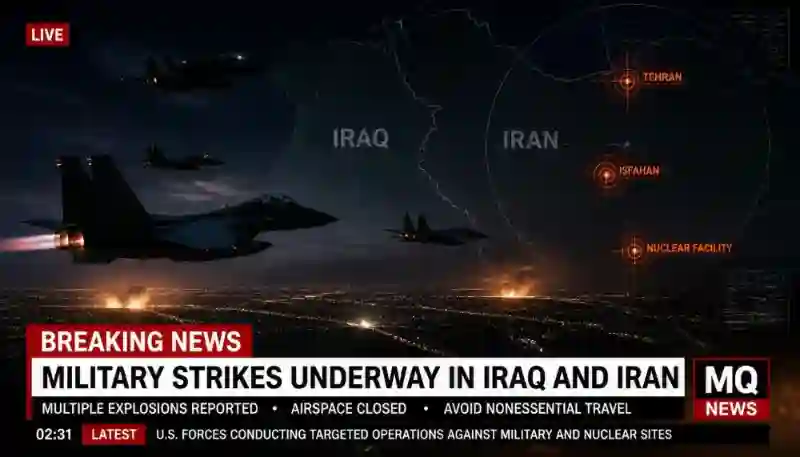
- US Saudi Strikes Iraq July 2026: CENTCOM and Saudi Jets Hit PMF Sites
- Joint US-Saudi Air Raids Across Iraq and Civilian Fallout in Karbala
- Direct CENTCOM Strikes Inside Iran and Kuwait Missile Activity
- Escalation in the Red Sea: Tanker Attacks and Houthi Sea Tariffs
- Global Sanctions, $59 Billion Defense Deals, and Operational Panic
- Frequently Asked Questions
- Did CENTCOM confirm strikes inside Iran?
- Why did Iraq cancel its diplomatic trip to Saudi Arabia?
- What is the new 59 billion dollar Pentagon contract for?
US Saudi Strikes Iraq July 2026: CENTCOM and Saudi Jets Hit PMF Sites
Honestly, I woke up today thinking things might calm down a bit, especially after yesterday’s heavy escalation [Read our Day 18 / July 29 Iran War Update here], but straight up, the Middle East just blew wide open as new US-Saudi strikes on Iraq July 2026 updates shocked the region.. Day 19 of this war isn’t just about small border skirmishes anymore. Early on July 30, 2026, joint flights of US Air Force warplanes and Saudi Royal Air Force jets carried out massive air raids right across Iraq. And if that wasn’t crazy enough, US Central Command actually launched direct air strikes on Iranian land. Look, things are moving super fast, so let us break down what actually happened today.
Joint US-Saudi Air Raids Across Iraq and Civilian Fallout in Karbala
The day started rough, with bombs dropping suddenly on several Iraqi cities at the same time. Fighter jets roared over the area and dropped heavy munitions directly on supply depots and weapons stores used by the Popular Mobilisation Forces. Huge explosions shook places like Erbil, Kirkuk, Salah al-Din, Diyala, Wasit, Basra, and a bunch of spots sitting just outside Baghdad. Frankly, seeing ordinary folks get caught in all this crossfire is why local tempers are flaring so badly right now. Local Shiite outlets, including Sabreen News, confirmed that at least 20 PMF fighters and four Iranian IRGC military advisers died.
Even worse, these bombs dropped during the holy period of Muharram. Religious pilgrims travelling through Karbala for Arbaeen were caught directly in the explosions. Total reported deaths have now crossed 20 people, including innocent civilians. Over in Baghdad, political leaders didn’t just sit around twiddling their thumbs. Prime Minister Ali al-Zaidi immediately called a national security meeting and scrapped his upcoming trip to Saudi Arabia on the spot.
The Iraqi government didn’t hold back either, calling out both Washington and Riyadh in public. They demanded real, hard proof showing that recent attacks on Saudi oil fields actually came from inside Iraq, insisting that no evidence was ever handed over before dropping bombs. Hashd al-Shaabi leaders also put out a harsh warning to the government. They said they are holding back right now to protect international pilgrims during Arbaeen, but promised direct attacks on foreign bases as soon as the pilgrimage ends. Meanwhile, Kurdish political groups in northern Iraq are using this chaos to push Baghdad to forcibly take away weapons from local Iran-backed militias.
Direct CENTCOM Strikes Inside Iran and Kuwait Missile Activity
The whole conflict got way more dangerous when coalition warplanes flew straight into Iranian airspace. US Central Command put out an official statement on X confirming direct strikes on Iranian military sites. Washington claims these raids were payback for recent missile attacks on American troops in the region.
Loud booms echoed right across southern Iranian ports and inland towns. Real damage was recorded across locations like Khorramshahr, Khuzestan, Bandar Mahshahr, Bushehr, Qeshm Island, Sirik, Jam, and Kazerun. Flight monitors and regional radar data showed interceptors and defensive salvos shooting up right from coalition bases in Kuwait and Jordan during the chaos to block incoming fire.
Escalation in the Red Sea: Tanker Attacks and Houthi Sea Tariffs
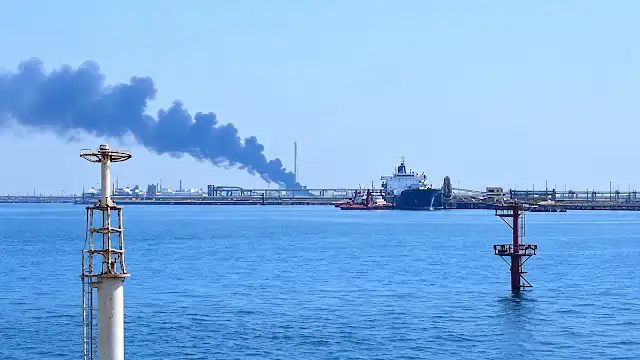
The war at sea is spreading toward key shipping routes just as quickly. Near the Egyptian coast, two commercial oil tankers were hit by drone strikes. Local groups claimed responsibility, showing that sea attacks aren’t just stuck in the Persian Gulf anymore.
Further south, Yemeni Houthi forces are looking to charge money on the water. Reports show they are planning mandatory transit fees for merchant ships passing through the Bab al-Mandeb Strait, which looks a lot like the blockades happening near the Strait of Hormuz.
Saudi Arabia announced it is pulling together a multi-nation naval team to protect Red Sea ships. At the same time, Houthi air defense teams claimed they shot down another Saudi military drone, while the Western-backed Yemeni government showed off captured Iranian Shahed-136 drones to prove weapons are still flowing into the country.
Global Sanctions, $59 Billion Defense Deals, and Operational Panic
All this endless shooting is causing massive panic inside Western defense teams because they are running out of weapons. In Washington, the US Senate passed a big bipartisan bill to choke energy markets. The bill places heavy financial sanctions on any country buying crude oil from Russia or Iran.
On the military side, the Pentagon handed Lockheed Martin a huge 59 billion dollar contract to triple the production speed of Patriot PAC-3 MSE interceptors. Coalition forces are burning through high-cost air defense missiles faster than factories can build them.
Military security is breaking down in weird ways too. U.S. Central Command (CENTCOM) is moving to restrict personal mobile device usage for troops deployed in the Middle East—a decision driven by growing operational security concerns. Because several soldiers kept posting base videos on social media, which Iranian teams reportedly used to get exact target locations.
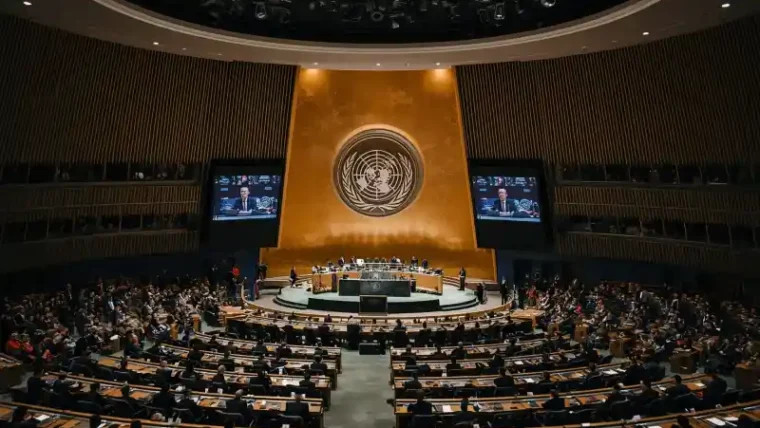
Tensions spilled over into diplomacy too. Baku officially cut off two Iranian news channels after Tehran called Azerbaijan’s state TV an enemy station, which pretty much froze normal talks between both countries. Hundreds of top Jordanian political and legal figures are demanding swift action from their government, issuing a public letter calling for the total withdrawal of U.S. military troops and the shutdown of American bases. And to cap off the chaos, Israeli Prime Minister Benjamin Netanyahu warned of massive retaliation if Israel gets hit, while confirming he will travel to New York in September for the UN General Assembly.
Frequently Asked Questions
Did CENTCOM confirm strikes inside Iran?
Yes, US Central Command posted an official update on X confirming direct airstrikes against military infrastructure inside Iranian borders after US bases came under attack.
Why did Iraq cancel its diplomatic trip to Saudi Arabia?
Iraqi Prime Minister Ali al-Zaidi called off his visit after joint US-Saudi air raids bombed several Iraqi cities, calling the strike an unprovoked breach of national sovereignty.
What is the new 59 billion dollar Pentagon contract for?
The Pentagon gave Lockheed Martin 59 billion dollars to triple production of Patriot PAC-3 MSE interceptors because coalition air defense stockpiles are running critically low.