Table of Contents
Iran vs USA War – 29 July 2026
IRGC missiles hit a US base in Jordan. US and Saudi jets hit Iraq. Oil markets felt it hard.
The quiet period in the Middle East didn’t last. It ended on 29 July 2026, before the sun even came up. Missiles left Iran. Jets took off. Fighting spread into Jordan and Iraq the same morning. Command centres in Washington, Tehran and Riyadh all ramped up fast. What people had called a day 16 pause turned into a day of quick moves and bigger risks.
Missiles at the US base in Jordan
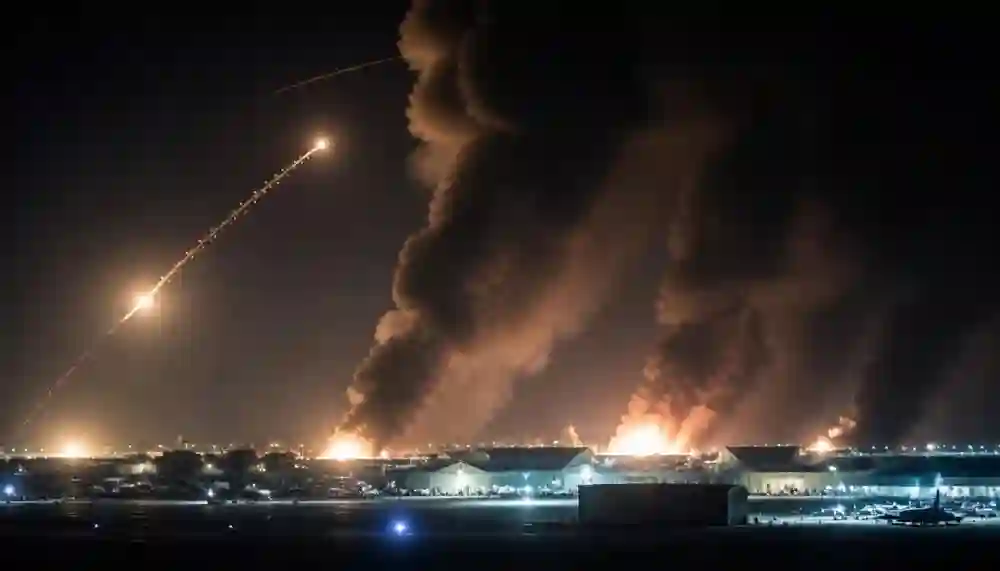
Early that morning, before dawn, IRGC units fired ballistic missiles from Iran at American forces in Jordan. The main target was Al-Muwaffaq Salti Air Base. That’s the place with US planes and air-defence gear. Smoke showed up later around the edges of the base.
Conflicting narratives emerged from both sides.
CENTCOM said their systems picked up the missiles early and stopped every one. No American troops got hurt. Jordan’s military said they shot down five missiles that came into their airspace.
Iranian officials called the US version propaganda. They said some missiles got through and hit command buildings inside the base. People in Tehran also made it clear their forces are ready for a bigger fight if strikes on Iran start again. This was a step further than before. Jordan hadn’t been a main fighting area recently. Hitting a base with American forces there raised questions about where the next moves might go.
US and Saudi jets hit Hashd al-Shaabi in Iraq.
Soon after the Jordan attack, the fighting moved into Iraq. US Air Force planes and Saudi jets flew together. They hit Iran-aligned militia positions hard. Most targets belonged to Hashd al-Shaabi — the Popular Mobilization Forces. Command bunkers, weapons stores and staging areas got hit. Some fighters were killed or wounded.
CENTCOM said it was payback. Recent militia drone and missile attacks had hit Saudi oil sites in the Eastern Province and near Riyadh. The warning was clear: if those groups attack Saudi Arabia or US positions again, the coalition will go after more militia networks across Iraq. Joint US-Saudi strikes like this matter. It showed the two air forces working closely at a tense time. Iraq has to balance a lot of armed groups and foreign forces. These raids made that balance harder.
Oil routes blocked, and prices climb.
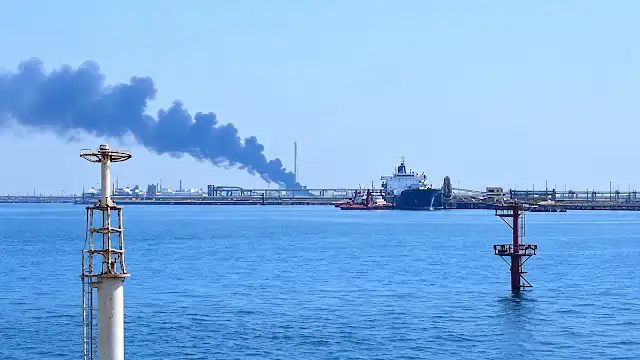
The fighting in Jordan and Iraq hit energy markets right away. The Strait of Hormuz and the Bab al-Mandeb are still tightly restricted. Military activity and Houthi blockades are the reason. About a quarter of global oil transit is offline or slowed down. Crude prices pushed toward $95 a barrel. Insurers kept war-risk cover suspended for tankers using those high-risk lanes.
Iran’s Foreign Ministry repeated its line. Iranian control of the Strait of Hormuz will persist until the international community formally recognizes its sovereignty over the waterway. US officials said any shipping deals would not involve paying Tehran tolls or fees. Restricted routes, higher insurance costs and rising prices quickly affected fuel markets. Shipping companies had to choose: longer, more expensive routes or higher risk on the usual ones. Analysts said prices could stay high for weeks if the military situation doesn’t calm down.
Big oil makes money, diplomacy gets messier.
With prices up, companies like ExxonMobil and Chevron started posting strong profits from oil above $95. At the same time, the commercial side of the proposed Saudi-US civil nuclear deal came under more scrutiny. Some reports said certain parts of it could benefit companies linked to the Trump administration and its allies. Timing made it more complicated — military escalation and business talks happening together.
Regional and international players watched closely. A missile strike on a US base in Jordan followed quickly by joint US-Saudi airstrikes in Iraq showed how fast things can expand. The oil market reaction raised the stakes for countries that need stable energy supplies and for those trying to stop further escalation.
What comes next
By the end of the day, the immediate exchanges slowed, but the tension stayed. Tehran repeatedly warned that its forces are fully prepared for a wider war. Coalition statements left room for more strikes if attacks on Saudi or US targets resume. Oil markets stayed jumpy about every update from the Strait of Hormuz and the Red Sea. Public and private diplomatic efforts ran into growing resistance, facing a far more difficult climate than a few days earlier.
The day showed again how quickly a quieter stretch in the region can turn into coordinated military action across several countries, with effects that reach far past the immediate fighting areas.
FAQ
What happened at the US airbase in Jordan on 29 July 2026?
IRGC launched ballistic missiles at Al-Muwaffaq Salti Air Base. CENTCOM said every missile was intercepted and no American personnel were hurt. Iranian officials and media claimed some got through and hit command facilities. Jordan confirmed shooting down five missiles in its airspace.
Why did US and Saudi forces strike in Iraq?
They targeted Hashd al-Shaabi and other Iran-aligned positions. CENTCOM called it retaliation for recent militia attacks on Saudi oil facilities. They warned that more attacks on Saudi Arabia or US sites would bring wider strikes on militia networks in Iraq.
How much has global oil supply been hit?
Blockades and military activity in the Strait of Hormuz and Bab al-Mandeb have disrupted roughly 20-25% of global oil transport. Crude moved toward $95 a barrel. Underwriters continued limiting war-risk protection for oil tankers traveling those routes.
What are Iranian officials declaring about control over the Strait of Hormuz?
Iran’s Foreign Ministry said it will keep control and restrictions until its sovereignty over the waterway is formally recognised. The US firmly turned down any arrangement involving passage fees paid to Iran.
Were there significant casualties or damage in Iraq?
The strikes successfully obliterated command centers, armories, and staging points. Some fighters were reported killed or wounded. Independent verification of the figures provided by Iraqi officials was not available right away.
Could the fighting expand further?
Both sides left that possibility open. Iranian officials said their forces are ready for wider regional conflict if coalition strikes on Iran resume. Coalition statements said more attacks on Saudi or US targets would lead to broader action against militia groups in Iraq. The situation stayed fluid.
How are big oil companies affected?
ExxonMobil, Chevron and others are seeing strong profits from sustained prices above $95. Higher insurance costs and restricted transit are part of the reason prices stayed elevated.
What’s happening with the Saudi-US civil nuclear talks?
Commercial parts of the proposed deal have drawn fresh attention. Some reports note possible financial benefits for companies linked to the Trump administration and its allies. The timing alongside military moves added to the diplomatic strain.
Were other countries directly involved in the fighting that day?
Main actions were Iranian missiles at a US base in Jordan and joint US-Saudi airstrikes in Iraq. Houthi activity continued to disrupt shipping near Bab al-Mandeb and in the Red Sea, adding to oil transit problems.
What are the main events to watch out for over the coming days?
Further missile or drone attacks on Saudi or US positions. Possible additional coalition strikes. Disruption and Rerouting: Shifts in Strait of Hormuz Shipping Traffic Movements in crude prices. New statements from Washington, Tehran, Riyadh, or other regional capitals.