- US Strikes Iran 30 July 2026: Europe Refuses Naval Joint Action as China Weapons Deal Reports Emerge
- European Allies Reject US Navy Push in the Strait of Hormuz
- China’s 400 MANPADS Missile Deal with Iran and Washington Frustrations
- Washington Political Frustrations, Public Backlash, and Diplomatic Feuds
- Diplomatic Fallout: Venezuela and Banned Outlets
- Economic Pressure: US Sanctions and Red Sea Shipping Tolls
- Frequently Asked Questions
- Why did France and the UK refuse to join the US naval mission in the Strait of Hormuz?
- Is China delivering shoulder-fired missiles to Iran?
- What did US public opinion polls reveal about Benjamin Netanyahu’s US visit?
US Strikes Iran 30 July 2026: Europe Refuses Naval Joint Action as China Weapons Deal Reports Emerge
Honestly, I woke up today thinking we might see diplomatic tempers cool down a bit, especially after yesterday’s escalation [Read our Iran vs USA War: 29 July 2026 Update here], but straight up, the global fallout surrounding US strikes on Iran in July 2026 operations has hit an absolute pressure cooker level. Beyond direct air strikes across the region, Washington’s attempts to build a massive global coalition to control key maritime trade choke points are crumbling fast. Major European allies like France and Britain have openly rejected US demands to send naval fleets to the Strait of Hormuz, while explosive international reports reveal that China is supplying hundreds of shoulder-launched air defense systems to Tehran through transit routes in Pakistan. Look, things are escalating across diplomatic, maritime, and geopolitical fronts all at once, so let us break down every major development that broke today.
European Allies Reject US Navy Push in the Strait of Hormuz
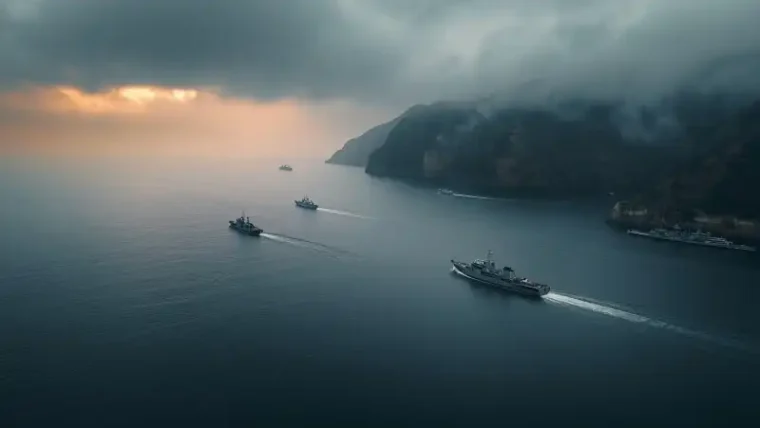
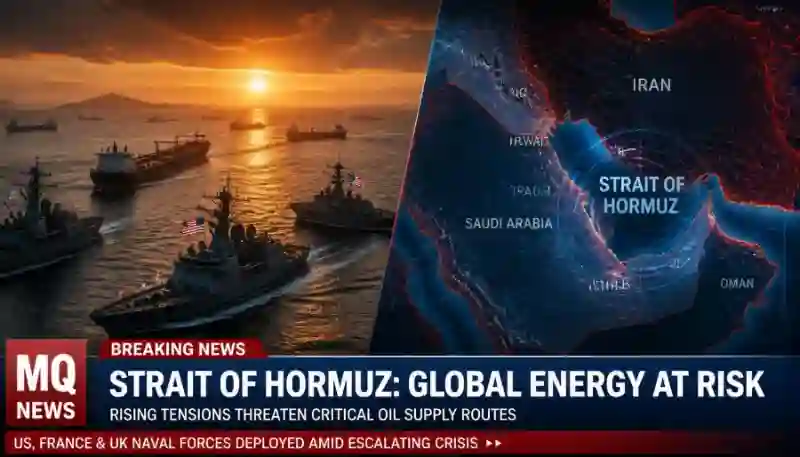
Washington’s plan to assemble a massive multi-nation naval armada in the Persian Gulf has run into a solid wall. According to reporting by Politico, Defense Secretary Pete Hegseth urged the United Kingdom and France to deploy their navies and lead an international coalition tasked with escorting commercial tankers and clearing mines in the Strait of Hormuz. Yet both Britain and France resisted, withholding naval forces until a sustained ceasefire takes effect.
UK Defence Secretary John Healey ruled out joining U.S. offensive strikes against Iran, clarifying that British forces are focused solely on protecting maritime navigation. European leaders remain deeply skeptical of Washington’s ultimate strategy, exposing a growing rift within the Western security alliance.
Maritime security is deteriorating rapidly, opening up dangerous new fronts on the water:
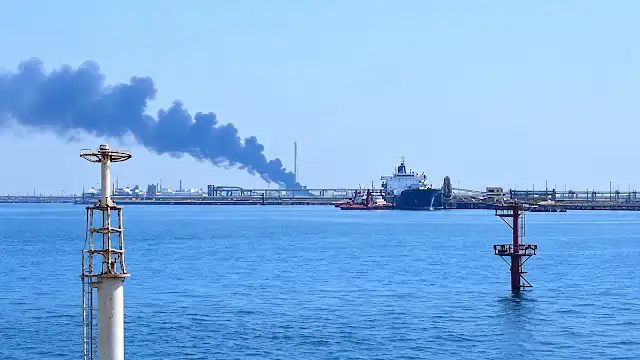
- IRGC Ships Intercepted: Straight up, reporting from Anadolu Agency notes that IRGC naval crews intercepted and stopped three foreign tankers near Hormuz because the ships allegedly ignored radio warnings and broke navigation rules.
- CENTCOM Fact-Check Counter: In response, US Central Command (CENTCOM) issued an official statement on X rejecting Iran’s authority over international waters. CENTCOM asserted that US naval escorts have successfully protected over 1,000 commercial vessels and 500 million barrels of crude oil passing through the strait since May.
- Japan’s Diplomatic Bypass: Highlighting how individual nations are navigating the blockade, Japanese commercial vessels reportedly secured safe transit through the Strait of Hormuz by opening direct diplomatic lines with Tehran, obtaining explicit Iranian clearance before sailing through.
China’s 400 MANPADS Missile Deal with Iran and Washington Frustrations
While Western allies hesitate, Eastern powers are making subtle strategic moves. According to an exclusive report published by Reuters and detailed by India Today, Iran is set to receive between 300 and 400 Chinese-made shoulder-fired air defense systems (MANPADS)—primarily FN-16 and QW-12 surface-to-air missiles.
The $60 million to $70 million defense contract was reportedly facilitated through a Hong Kong-based intermediary firm, Zhongqing Baoshang International Investment. Iran is deploying highly mobile short-range systems—capable of targeting low-flying drones, helicopters, and jets—to restore Tehran’s air defense grid after weeks of intense bombardment. Deliveries are reportedly scheduled to fly from Urumqi in western China before transiting through Pakistan. Officials in both Beijing and Islamabad issued strong, explicit denials: China’s Foreign Ministry termed the reports “completely groundless,” while Pakistan’s ISPR categorically dismissed them as baseless speculation.
When pressed by journalists regarding the alleged missile transfers, US President Donald Trump admitted the reports were deeply concerning, noting that Chinese President Xi Jinping had previously offered assurances that Beijing would withhold direct military hardware from Iran.
Washington Political Frustrations, Public Backlash, and Diplomatic Feuds
Inside Washington, political friction over the war’s timeline is boiling over. According to dispatches from The Times of Israel citing NBC News, President Trump lashed out at top aides during internal White House meetings, expressing severe exasperation over his military options and the inability to reach a definitive “endpoint” or close a deal to end the conflict.
Domestic political pressure inside the US is also mounting rapidly:
- Public Arrest Poll Shock: A nationwide Economist/YouGov survey published by The Times of Israel revealed a staggering public shift—nearly 47% to 49% of American respondents stated that during his time in Washington, Prime Minister Benjamin Netanyahu must be held accountable and face arrest for alleged war crimes.
- Hotel Protests & Netanyahu Video: Massive crowds of American anti-war demonstrators gathered outside Netanyahu’s Washington hotel. Unfazed by the backlash, Netanyahu released a promotional video praising his White House meetings as his “most successful US visit ever,” expressing total satisfaction with Washington’s backing.
Diplomatic Fallout: Venezuela and Banned Outlets
Middle Eastern regional disputes are no longer contained—their influence is expanding globally.
- Venezuela’s Formal Response: The Venezuelan Foreign Ministry called the comments derogatory and demanded the complete cessation of any allusions or comparisons that undermine Venezuelan dignity or institutional sovereignty.
- Targeted Outlet: Tasnim News Agency is a semi-official Iranian news agency closely affiliated with the Islamic Revolutionary Guard Corps (IRGC).
- The Iranian Trigger: The ban was triggered by Iran’s Ministry of Intelligence adding Azerbaijan’s main state broadcaster (AzTV) to its list of blacklisted “hostile/enemy media,” threatening criminal charges against anyone cooperating with it.
Economic Pressure: US Sanctions and Red Sea Shipping Tolls
- Financial warfare targeting global shipping lanes is becoming as intense as the military actions on the water.
- US Extortion Sanctions: The US Treasury rolled out heavy new penalties against what they called Iran’s Hormuz Extortion Network, aiming to crush firms collecting unauthorized transit fees.
- Senate Energy Bill: Concurrently, in the Capitol, the US Senate passed a sweeping bipartisan sanctions bill designed to severely penalize any foreign nation or commercial entity purchasing crude oil from Russia or Iran.
- Houthi Transit Fees: Down in the Red Sea, Yemeni Houthi forces raised eyebrows after announcing plans to charge mandatory tolls on ships moving through the Bab al-Mandeb Strait.
- Saudi Naval Coalition: Because of these growing threats, Saudi Arabia started pulling together a multi-nation naval group to guard merchant vessels across regional waters.
Frequently Asked Questions
Why did France and the UK refuse to join the US naval mission in the Strait of Hormuz?
To be fair, reports from Politico show both London and Paris backed away from sending ships because they want a real ceasefire first and aren’t sold on Washington’s long-term plans.
Is China delivering shoulder-fired missiles to Iran?
Honestly, while reports from Reuters and India Today point to a deal for 300 to 400 FN-16 and QW-12 MANPADS, both Beijing and Pakistan’s ISPR flat-out denied the story.
What did US public opinion polls reveal about Benjamin Netanyahu’s US visit?
Look, an Economist/YouGov poll cited by The Times of Israel showed almost half of Americans polled think Netanyahu should actually face arrest for war crimes while visiting the US.