- Iran War Update 2 August 2026: Rep Thomas Massie Warns US Running Out of Petroleum Reserves as Pentagon Lacks Destroyers for Israel
- Rep. Massie Claims U.S. Strategic Reserves Are Under Strain as Pentagon Struggles With Destroyer Availability
- Iran Tensions Escalate After Reported 2,000-Pound US Bomb Strike and Tehran’s Secret Talks Allegations.
- Houthis Divert 8 Saudi Oil Tankers, Deny Red Sea Tolls, and Iranian Commanders Threaten US Shields
- Frequently Asked Questions
Iran War Update 2 August 2026: Rep Thomas Massie Warns US Running Out of Petroleum Reserves as Pentagon Lacks Destroyers for Israel
Iran War Update — 2 August 2026: What many hoped would be a day of diplomatic progress has instead brought new signs of escalation, with mounting military strain, deepening political divisions, and expanding regional risks. Concerns in Washington and an escalation of strikes throughout the Persian Gulf. In a recent social media post, Representative Thomas Massie argued that U.S. policy decisions are creating heightened strategic vulnerabilities, including potential strain on the Strategic Petroleum Reserve and regional missile defense capabilities. Concurrently, an exclusive dispatch published by The Washington Post revealed that top Pentagon generals warned that American naval forces lack sufficient destroyers to continue intercepting Iranian ballistic missile barrages aimed at Israel. At the same time, investigative reports from The New York Times confirmed that US forces dropped a massive 2,000-pound bomb on a residential home inside Iran, leaving three civilians dead.
Regional Escalation Warnings: According to Houthi statements, eight Saudi oil tankers were forced to reroute around Africa due to security concerns. Concurrently, Iranian commanders warned that any regional state functioning as a defensive shield for the United States would be considered a potential target. Burn in the fires of war. Major developments emerged today across the military, political, and maritime arenas, underscoring the rapidly evolving regional landscape. Here’s a breakdown of the key events and their broader implications.
Rep. Massie Claims U.S. Strategic Reserves Are Under Strain as Pentagon Struggles With Destroyer Availability
Rising demands on U.S. military resources and economic infrastructure are placing Washington under significant strategic pressure. As detailed in a viral statement published on X by US Republican Representative Thomas Massie, Tehran is purposefully waiting for three critical US vulnerabilities before concluding negotiations or escalating further:
- Strategic Petroleum Reserves Running Dry: Representative Massie warned that continuous regional conflict and naval blockades are rapidly draining America’s Strategic Petroleum Reserve, leaving the US economy vulnerable to extreme global oil price shocks.
- Regional Anti-Missile Defense Shortage: According to Massie, prolonged missile interception campaigns have substantially depleted U.S. air defense missile inventories in the region, raising concerns over long-term readiness.
- Congressional Majority Shifts: Massie warned that Tehran is closely monitoring potential shifts in U.S. politics while suggesting that Iran is closely watching potential changes in U.S. political control as part of its broader strategy and urging Washington to act before these challenges intensify.
Concurrently, an exclusive report published by The Washington Post confirmed that General Alexus Grynkewich, commander of US European Command, sent a formal warning letter to senior Pentagon leadership. The warning stated that his command faces a severe shortage of Navy destroyers required to intercept incoming Iranian ballistic missile barrages. General Grynkewich clarified that without additional naval assets, US forces will be forced to prioritize defending the American homeland over shielding Israeli infrastructure.
Iran Tensions Escalate After Reported 2,000-Pound US Bomb Strike and Tehran’s Secret Talks Allegations.
Direct military clashes and diplomatic accusations between Washington and Tehran are creating severe uncertainty:
- 2,000-Pound Bomb Strike in Iran: Citing video analysis and impact-crater assessments, The New York Times reported that U.S. forces employed a 2,000-pound conventional bomb in a strike on a residential home located in a heavily populated area of Iran. The report states that three civilians were killed in the attack.
- Tehran Slams US Talks Rhetoric: According to reporting by Firstpost, Iranian state media accused President Donald Trump of attempting to initiate secret diplomatic negotiations behind closed doors while publicly threatening heavy multi-day energy bombardments against Iranian power plants and refineries.
- Israel Prepares for Unprovoked Missile Barrages: According to dispatches from The Times of Israel and Channel 12, Israeli intelligence assesses that Iran will launch heavy ballistic missile strikes at Israeli cities regardless of whether Israeli forces actively join President Trump’s proposed energy offensive.
Houthis Divert 8 Saudi Oil Tankers, Deny Red Sea Tolls, and Iranian Commanders Threaten US Shields
Maritime blockades and regional threats are reshaping commercial shipping routes across the Middle East:
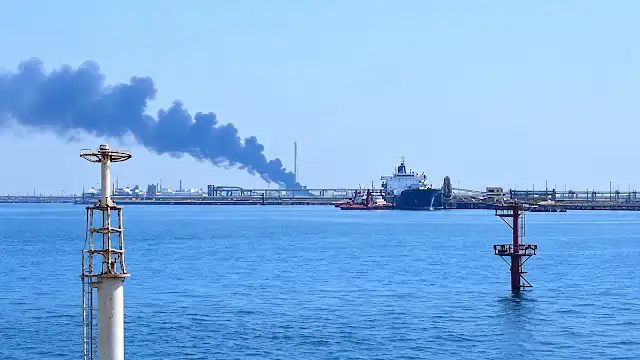
- Houthis Divert 8 Saudi Tankers via Cape of Good Hope: According to reports from Anadolu Agency, Yahya Saree stated that Houthi naval actions disrupted Saudi tanker routes, leading eight vessels to steer clear of the Bab al-Mandab Strait and use the longer maritime route around southern Africa.
- Red Sea Transit Charges Denied: According to reports published by Al Jazeera, the Houthi-run Humanitarian Operations Coordination Center explicitly denied rumors that they plan to charge commercial ships passing through the Red Sea, confirming that safe passage remains free for non-affiliated vessels.
- “US Shields Will Burn”: As detailed by Fars News, Major General Ali Abdollahi, Commander of Iran’s Khatam al-Anbiya Central Headquarters, warned neighboring Arab nations that any regional government providing air defense support or acting as a “defensive shield” for Washington will burn in the fire of war.
- Two-Year Conflict Readiness: Reports from Al Jazeera and Mehr News Agency indicate that Iranian First Vice President Mohammad Reza Aref affirmed the government’s preparedness for a potential two-year conflict through the stockpiling of critical supplies and economic reserves.
Also Read: For background on trade route disruptions, check out US Israel Iran Land Blockade July 2026.
Frequently Asked Questions
What did US Representative Thomas Massie say regarding the war with Iran?
According to Rep. Thomas Massie’s post on X, he warned that Iran is waiting for America to run out of Strategic Petroleum Reserves, regional anti-missile interceptors, or its Republican congressional majority, urging the US to disengage from the conflict immediately.
Did the Houthis divert Saudi oil tankers around Africa?
As reported by Anadolu Agency, Houthi military spokesperson Yahya Saree claimed that eight Saudi oil tankers were forced to abandon the Red Sea route and divert around the Cape of Good Hope due to their maritime blockade.
What did First Vice President Mohammad Reza Aref reveal about Iran’s war plans?
According to reports from Al Jazeera and Mehr News, First Vice President Mohammad Reza Aref confirmed that the Iranian government has prepared economic plans and