The continuing Middle East crisis escalated sharply on 15 September 2026 as fresh naval confrontations in the Strait of Hormuz coincided with acute fuel distribution bottlenecks and fresh European energy shocks. Commercial transit across the Gulf has become increasingly precarious, while high-level diplomatic friction spanning Washington, Vienna, and East Asian capitals underlines how rapidly the regional fallout is spreading. With domestic energy queues emerging in several Middle Eastern hubs and international markets absorbing supply cuts, political off-ramps are proving remarkably difficult to establish.
Hormuz Maritime Clashes and Defense Consultations
Naval friction inside the Persian Gulf flared up after conflicting statements emerged regarding commercial vessel safety and maritime blockades:
Iranian naval commands stated that a large commercial crude carrier struck an explosive sea mine while attempting transit, whereas United States naval spokespersons countered that the vessel had sustained damage during earlier actions and was being salvaged toward Oman (Reuters).
Search and rescue operations were initiated near Iranian coastal areas after an aerial drone strike targeted two small civilian fishing craft, leaving crew members unaccounted for in territorial waters (Press TV).
Air defence crews stationed along coastal sectors confirmed the shootdown of an American MQ-1 reconnaissance drone, marking the second intercept of an unmanned surveillance platform within seventy-two hours (Al Jazeera).
Iranian port authorities announced an expanded maritime blacklist adding 77 international cargo carriers and tankers, barring them from passing through territorial waters under threat of interdiction (Financial Times).
Defence reporting revealed that Pentagon leadership recently circulated internal memoranda requesting staff members to put forward fresh strategic ideas to break the operational deadlock inside the strait (Foreign Policy).
Senior military planners from South Korea and the United States scheduled emergency bilateral defence consultations to evaluate potential naval contributions for Gulf merchant escort missions (The Korea Herald).
European Energy Volatility, Sanctions, and Diplomatic Denials
The economic fallout of regional transit strikes expanded into Western utility markets alongside sharp diplomatic disputes:
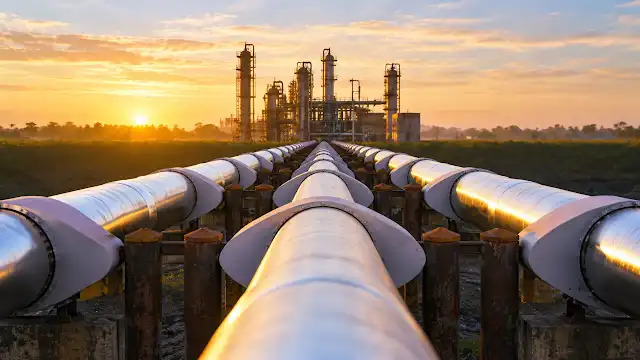
Benchmark European natural gas contracts jumped by 6% within hours of verified shutdowns along Saudi Arabia’s East-West pipeline corridor, piling more cost pressure onto regional energy suppliers (Financial Times).
Chinese Foreign Ministry representatives firmly denied claims alleging that Beijing provided satellite coordinates or intelligence for military strikes against American outposts in Jordan (Xinhua).
Iranian diplomatic representatives were excluded from attending the annual International Atomic Energy Agency general conference in Vienna following procedural objections coordinated by Western member states (Associated Press).
Iranian military spokespersons formally dismissed media claims alleging unusual troop redeployments or military tunnelling activity around Pickaxe Mountain, calling the reports unfounded speculation (Al Arabiya).
Regional consultations planned in Muscat between Gulf delegates and Iranian representatives were postponed after Riyadh requested more concrete maritime and territorial guarantees (BBC News).
Judicial authorities in Tehran ordered the freezing and forfeiture of assets belonging to 240 domestic figures following formal investigations into foreign intelligence networking (Press TV).
The United States Treasury expanded secondary economic sanctions, adding a prominent Russian commercial bank to its restricted list for facilitating cross-border payment clearings with Iranian energy producers (Reuters).
Domestic distribution bottlenecks prompted long motorist queues at filling stations across southern Iranian municipalities, including Minab, as local distribution channels adjusted to infrastructure maintenance (The Guardian).
Levant Controversies and European Legislative Moves
Political debate and regulatory counter-measures tied to the broader Middle East conflict gathered visible momentum abroad:
The Norwegian parliament began evaluating landmark draft legislation proposing up to three years of imprisonment for domestic businesses trading with settlement enterprises situated in the West Bank and East Jerusalem (The Times of Israel).
Israeli cabinet members publicly demanded the revocation of domestic citizenship for filmmakers Yuval Abraham and Rachel Szor over their documentary Naza, which examined automated military targeting processes (WION).
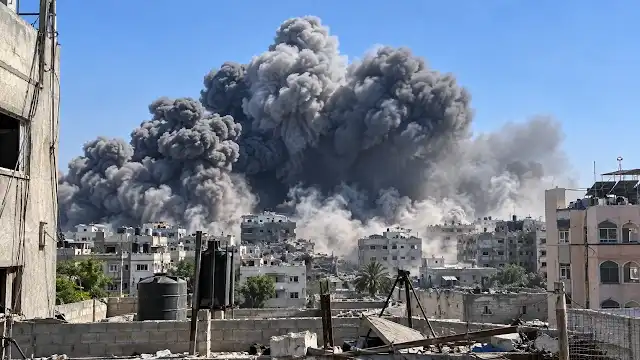
United Nations peacekeepers operating in southern Lebanon recorded heavy aerial strikes near their perimeter bases, with Israeli munitions causing structural damage to civic facilities (Reuters).
Anti-inflation demonstrations turned volatile across municipal centres in northern Syria as sharp increases in consumer fuel prices triggered street protests (Associated Press).
Questions and Answers
Why did wholesale European natural gas prices jump by 6%?
Gas benchmarks rose sharply after operational disruptions along Saudi Arabia’s East-West pipeline raised supply concerns across alternative European import channels.
What did the Pentagon’s internal memos reveal?
Reporting confirmed that senior American defence officials circulated department-wide inquiries seeking strategic solutions to resolve commercial convoy standoffs in the Strait of Hormuz.
Why did Iran add 77 ships to its maritime blacklist?
Iranian authorities blacklisted 77 commercial cargo and tanker vessels for non-compliance with regional transit directives, warning that prohibited ships would face interdiction.
Why were Iranian representatives excluded from the IAEA conference in Vienna?
Iranian officials were prevented from attending the annual nuclear assembly in Vienna following diplomatic objections and visa restrictions coordinated by Western governments.
What is Norway’s proposed legislation concerning settlement trade?
The Norwegian parliament is considering a bill that would impose criminal penalties, including up to three years in prison, on domestic firms doing business with Israeli settlement entities.