The escalating Middle East crisis entered a volatile phase on 16 September 2026 as export terminals along the Red Sea halted operations and military movements expanded across western Yemen. Following infrastructure damage along major pipeline routes, Saudi Arabian logistics networks are managing significant commercial challenges. Compounding the economic friction, regional security contacts involving international capitals are redefining the parameters of maritime transit.
Red Sea Export Halts and European Supply Adjustments
Commercial energy distribution networks experienced notable setbacks as fuel loadings from western coastal terminals slowed considerably:
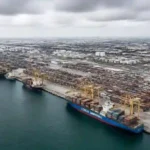
Port operations tracking revealed that commercial crude loading was halted at the Red Sea terminal of Yanbu after prolonged pressure on upstream feeder pipelines (The Times of Israel).
State energy producer Saudi Aramco rescheduled several planned crude deliveries to European refineries, prompting commercial buyers such as Poland’s PKN Orlen to evaluate alternative suppliers (Reuters).
Industry supply indices showed that three major European refineries were alerted to logistical delays extending into late October following the ongoing closure of the East-West pipeline corridor (Argus Media).
Local energy desks reported that loading operations at the Yasref refinery complex near Yanbu were temporarily suspended as technical crews evaluated structural links (Financial Times).
European political figures addressed the growing supply squeeze, with German government representatives highlighting the vulnerability of continental manufacturing hubs to continued Red Sea transport interruptions (Deutsche Welle).
Officials in Sanaa publicly dismissed statements suggesting security threats toward holy cities, describing regional alert sirens as political messaging (Al Mayadeen).
Delegations representing Iranian scientific institutions arrived in Riyadh to attend multilateral conferences focused on artificial intelligence and cross-border digital development (Al Arabiya).
West Coast Security Movements and Intelligence Coordination
Security realignments along maritime approaches gained momentum as regional administrations reviewed strategic options:
Government-aligned security analysts confirmed that Ansarullah authorities mobilised extensive personnel deployments across the western coastal sector near commercial waterways (Anadolu Agency).
Diplomatic reports noted that United States representatives facilitated indirect intelligence-sharing discussions between Israeli and Saudi security coordinators regarding Red Sea shipping stability (The Times of Israel).
Regional monitors highlighted steps taken to reinforce local defensive positions across southern border corridors through specialized support personnel (i24 News).
Official military statements from Sanaa confirmed that armed forces sustained over 350 regional aerial strikes during the preceding fortnight while maintaining active coastal checkpoints (Press TV).
Administrative officials in Baghdad confirmed a joint bilateral review with Iranian authorities to ensure border zones remain secure from unauthorised actions (Al Jazeera).
Monitoring groups in Yemen’s coastal sector reported structural damage to regional communication towers following targeted strikes (Associated Press).
Security analysts in Washington stated that external forces are refraining from initiating fresh ground deployments in western Yemen, citing active maritime de-escalation protocols (Reuters).
Regional Political Balances and Commercial Corridors
Beyond the military frontlines, broader diplomatic considerations are shaping state responses:
Diplomatic envoys meeting in Cairo observed high-level talks between Saudi Crown Prince Mohammed bin Salman and Egyptian President Abdel Fattah el-Sisi addressing regional maritime stability (Al Ahram).
Regional legal scholars in Islamabad clarified that historic bilateral defense accords do not mandate external military intervention unless sovereign borders face existential threats (Dawn).
Maritime coordination agencies emphasized that commercial cargo vessels unrelated to belligerent parties continue transiting the southern Bab-el-Mandeb strait without targeted interference (Lloyd’s List).
Humanitarian groups raised concerns regarding persistent fuel supply shortages within Syrian regional markets, where retail energy costs have increased rapidly (Associated Press).
Questions and Answers
Why were crude operations suspended at Yanbu port?
Loading activities at the Red Sea facility were put on hold due to reduced intake caused by ongoing disruptions along the East-West pipeline network.
How are European energy buyers managing the shipment cancellations?
Refining firms across Europe, including Poland’s PKN Orlen, began contacting alternative producers after planned deliveries were deferred into the autumn.
What movements have occurred along Yemen’s western coast?
Regional defence monitors noted substantial personnel and equipment realignments positioned across coastal areas overseeing the Bab-el-Mandeb strait.
What role did third parties play in recent regional intelligence talks?
United States security channels helped coordinate indirect information-sharing contacts focused on commercial maritime safety in the Red Sea corridor.
How did Sanaa respond to accusations regarding religious sites?
Spokespersons stated that current operations relate strictly to regional border posts and coastal security zones, rejecting external claims.
Is international merchant transit entirely closed in the Red Sea?
No. Maritime tracking confirms that commercial cargo ships unaligned with opposing forces continue navigating through the Bab-el-Mandeb passage.