Middle East Crisis Update: Hormuz Shipping Under Pressure as Diplomats Seek a Way Forward
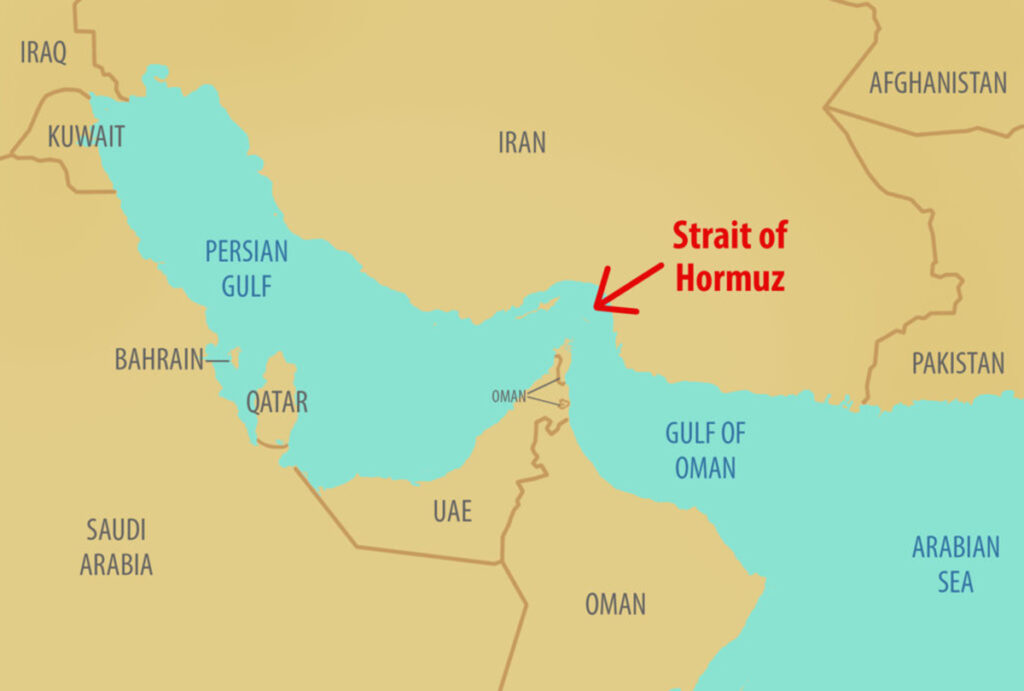
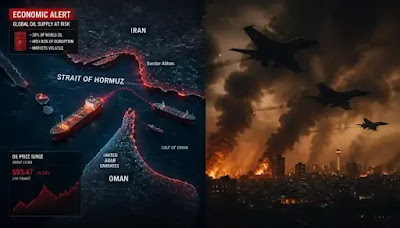
The Strait of Hormuz is once again at the centre of concern in the Middle East. Commercial ships are still using the waterway, but the number of vessels receiving naval protection has fallen as the risk from drones and missiles remains high.
The pressure at sea comes at a difficult time for the region. Officials are preparing talks in Oman, leaders are meeting in New Delhi for the BRICS summit, and the fighting in southern Lebanon continues to add to the humanitarian toll.
For shipping companies, even a temporary slowdown at Hormuz can create problems. Tankers may have to wait longer for an escorted crossing, while companies face higher costs and less certainty over delivery times.
Fewer Tankers Getting Naval Protection
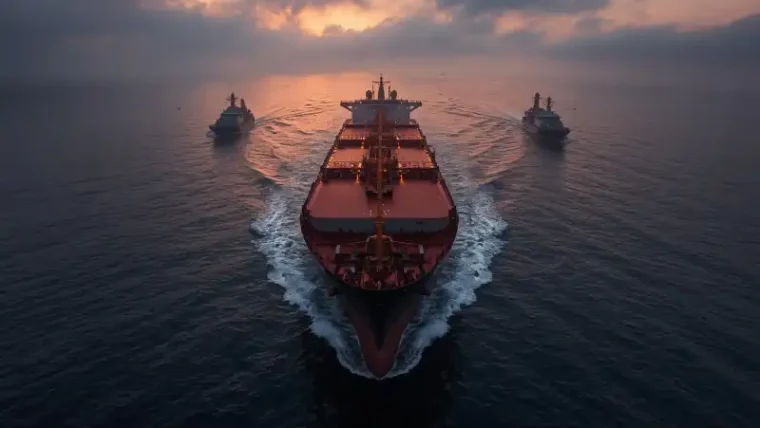
Naval forces working in the Gulf have reportedly reduced the number of commercial vessels they are able to escort through the Strait of Hormuz.
Shipping operators say only a small number of ships are currently making protected crossings each day. The reason is straightforward: commanders have to take into account the continuing possibility of drone attacks and missiles launched from nearby coastal areas.
That does not mean the strait has been completely closed. Instead, traffic is becoming harder to organise. A tanker may be able to make the journey, but getting the right protection at the right time is becoming a bigger challenge.
The issue is being discussed alongside wider regional security talks.
Officials in Muscat are preparing a meeting involving Gulf countries and Iranian representatives. Bahrain has reportedly been reluctant to join without clearer assurances over maritime boundaries and security arrangements.
There are also questions over whether international economic pressure on Iran is producing the results intended by Western governments. An analysis published by L’Alsace argued that restrictions introduced during the past six months have not stopped major Iranian infrastructure projects or cut the country’s regional trade links.
Iranian media has separately reported missile and counter-drone activity around Qeshm Island. Military operations have also been reported in the Saravan area near Iran’s southern border.
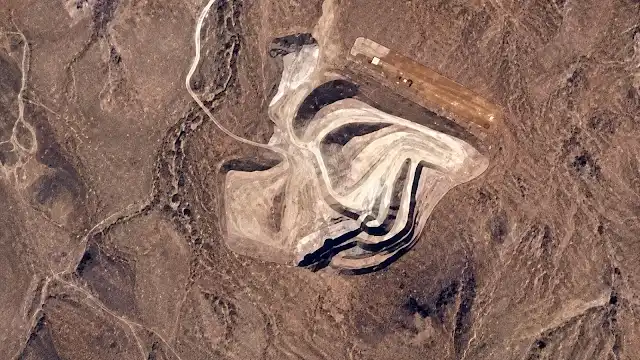
Russia is meanwhile preparing to strengthen its technical presence at Iran’s Bushehr nuclear facility. Russian energy officials say the expanded team could include up to 150 technicians and nuclear engineers.
BRICS Meetings Bring Regional Rivals Together
The BRICS gathering in New Delhi has allowed several countries to discuss the crisis away from the immediate pressure of the battlefield.
Iranian President Masoud Pezeshkian has held talks with regional representatives, including officials from the UAE. Indian Prime Minister Narendra Modi has also taken part in a series of bilateral meetings during the summit.
One issue receiving particular attention is commercial shipping. The longer vessels remain exposed to danger around Gulf routes, the greater the risk of higher freight and energy costs.
China has offered to become more involved in finding a diplomatic solution. Beijing has proposed using its diplomatic channels to help establish security arrangements for ships travelling through the Gulf.
That offer comes as the cost of moving fuel and other goods through the region continues to attract attention.
The BRICS declaration also addressed the wider conflict. Member states called for civilian nuclear facilities to be protected from military attacks and again backed a two-state solution for Israel and Palestine.
Pezeshkian met Indian President Droupadi Murmu as part of his visit. During the talks, he repeated Tehran’s criticism of unilateral US economic restrictions, saying such measures are creating additional pressure on international trade.
Southern Lebanon Still Paying the Heaviest Price
Away from the diplomatic meetings, the situation in southern Lebanon remains deeply troubling.
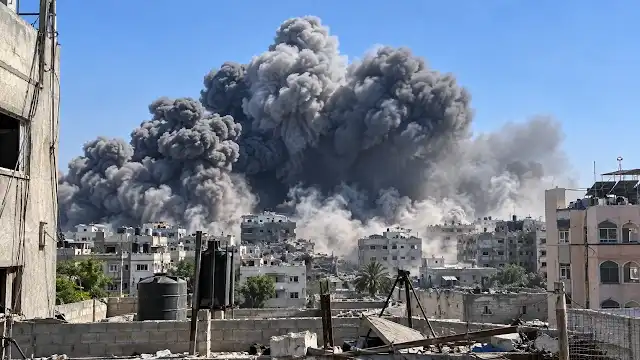
Lebanese health officials say more than 4,350 people have died, while over 12,300 have been injured in Israeli air and artillery attacks across the south.
Those figures have come as efforts to settle border issues and discuss a possible ceasefire have struggled to move forward. Talks between Israeli and Lebanese representatives have reportedly been postponed until late October.
For people living near the border, another delay means more uncertainty.
The situation is also becoming more difficult in parts of the West Bank. UN humanitarian agencies have raised concerns about civilian deaths and an increase in confrontations involving settlers in communities across the central West Bank.
In northern Israel, authorities are investigating the death of an active-duty serviceman who was found dead in unexplained circumstances near Haifa.
Why Hormuz Matters Beyond the Gulf
The importance of the Strait of Hormuz goes well beyond the countries immediately surrounding it.
A large amount of international energy trade passes through the waterway. If naval escorts remain limited for an extended period, shipping companies could face longer waiting times and increased operating costs.
That could eventually affect fuel prices, freight charges and supply chains in countries far from the Middle East.
This is why the diplomatic activity in New Delhi and Muscat matters. Governments have an obvious interest in preventing a shipping problem from turning into a much wider economic crisis.
China’s willingness to offer mediation could also become more significant if the security situation at sea does not improve.
For now, however, there is still a clear gap between diplomatic discussions and what is happening on the ground. The continued fighting in southern Lebanon, the pressure around Hormuz, and the disagreement between regional powers all point to a crisis that is far from settled.
Frequently Asked Questions
Why are fewer ships being escorted through Hormuz?
The main reason is the increased security risk. Drones and coastal missiles have made it more difficult for naval forces to protect large numbers of commercial vessels at the same time.
Is the Strait of Hormuz closed?
No. Commercial vessels are still using the route, but protected crossings have reportedly become more limited.
What is being discussed at the BRICS summit?
Leaders are discussing regional security, commercial shipping, civilian nuclear facilities and the wider Israel-Palestine conflict. The declaration also backed diplomatic efforts and a two-state solution.
Why is Bahrain cautious about the Oman meeting?
Bahrain reportedly wants stronger guarantees concerning regional security and clearer arrangements over maritime boundaries before taking part fully in the talks.
What is happening at the Bushehr nuclear facility?
Russia plans to expand its technical team at the Iranian facility. The proposed deployment could include as many as 150 engineers, technicians and other specialists.
How many people have been affected in southern Lebanon?
Lebanese health officials report more than 4,350 deaths and over 12,300 injuries linked to the continuing fighting and bombardment in southern Lebanon.