Russia-Ukraine War Update: Strategic Air Defences, Fuel Strain, and Shifting Frontlines
Frontline engagements and diplomatic friction across Eastern Europe escalated noticeably on 12 September 2026. This latest Russia-Ukraine war update reviews strategic posturing along the Baltic corridor, major infrastructure strikes across Kyiv, and the expanding European Union financial packages aimed at sustaining Ukrainian defensive operations. As Western allies deliberate on funding models, long-range asymmetric strikes continue to disrupt energy grids and supply routes far behind active combat lines.
Casualty Assessments and Baltic Nuclear Deterrence
High-level diplomatic warnings coincided with updated intelligence reports assessing human and material costs:
Russian Security Council Deputy Chairman Dmitry Medvedev warned that any forward deployment of NATO nuclear assets onto Lithuanian territory would place Vilnius in direct targeting range of Russian strategic missile batteries.
Assessments published by the UK Ministry of Defence and highlighted by military leadership estimated that total Russian battlefield casualties, including combat fatalities and severe injuries, have reached 500,000 personnel since 2022 (Firstpost).
Addressing bilateral delegates in New Delhi, Russian President Vladimir Putin claimed his administration has absorbed over 3,000 economic sanctions, adding that any formal Western combat unit deployed on Ukrainian soil would be treated as direct belligerents (Associated Press).
Ukrainian President Volodymyr Zelenskyy called on international partners and former US President Donald Trump to introduce immediate economic sanctions following deadly combined missile barrages directed at regional energy hubs.
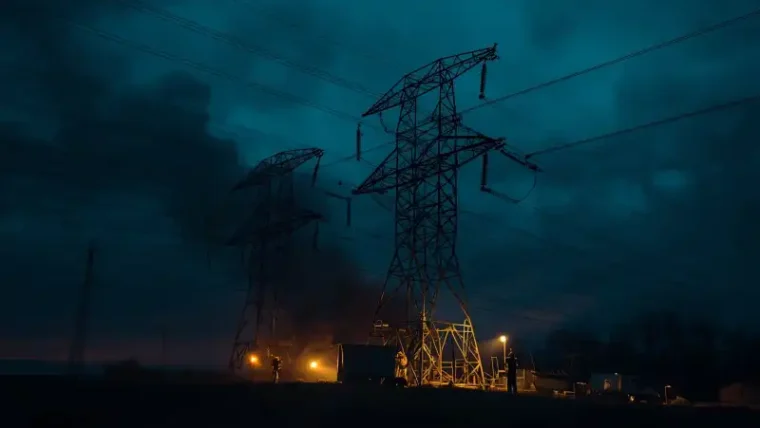
Energy Infrastructure Hits and Refining Disruptions
Sustained drone and cruise missile operations have begun shifting domestic supply dynamics in surprising directions:
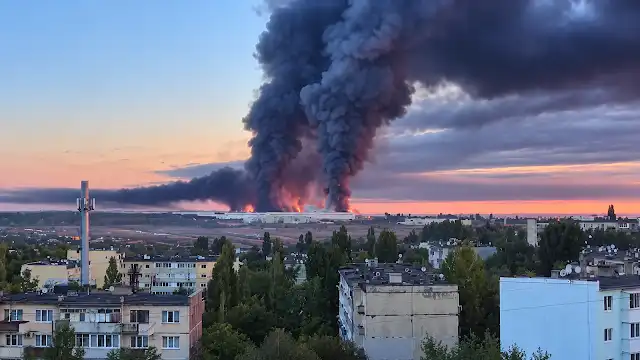
Coordinated Russian missile salvos struck critical infrastructure across Kyiv and surrounding districts, damaging municipal fuel storage hubs and energy distribution networks.
Ukrainian strike commands targeted petrochemical facilities in the Saratov region using long-range systems, triggering emergency shutdowns across municipal gas processing complexes.
Intelligence briefings indicated that domestic fuel shortages from ongoing Ukrainian refinery strikes have prompted Russian supply firms to import refined petroleum products via secondary trade channels in Turkey and South Korea (The Kyiv Independent).
Russian counter-espionage authorities in Moscow confirmed the detention of a foreign national accused of gathering location telemetry on manufacturing and power infrastructure.
European Defence Packages and Asset Liquidation
European governments are seeking creative funding frameworks to sustain military aid amid rising fiscal pressures:
The European Union unveiled a fresh €6.1 billion military aid initiative, intended to supply air defence interceptors, including Patriot missiles, ahead of winter infrastructure protection needs (Clash Report).
European Commission working groups renewed legal discussions focused on confiscating and liquidating immobilised Russian sovereign assets held in European financial clearinghouses to fund Kyiv’s defence procurement.
Swedish intelligence services issued a public warning indicating that coordinated disinformation networks and digital bots linked to Moscow are attempting to influence upcoming parliamentary elections across France and Germany (Politico).
Ukrainian units continued deploying modified Neptune cruise missiles and Flamingo strike platforms to suppress forward air bases and frontline logistics routes (Ukrainska Pravda).
Frequently Asked Questions
What did UK intelligence report regarding Russian military casualties?
British military officials reported that total Russian battlefield casualties, including deaths and severe injuries, have reached approximately 500,000 personnel.
Why is Russia reportedly sourcing refined fuel from abroad?
Reports from Ukrainian intelligence indicate that continuous drone strikes on domestic refineries have pressured local fuel supplies, forcing reliance on indirect imports via third countries like Turkey and South Korea.
How much military aid is the European Union preparing for Ukraine?
The EU has committed to a €6.1 billion defence support package focused on delivering air defence capabilities, including Patriot interceptor missiles.
What warning did Dmitry Medvedev issue to Lithuania?
Medvedev warned that hosting NATO nuclear assets on Lithuanian territory would make the Baltic country a direct target for Russian nuclear forces.
What interference did Swedish intelligence detect?
Swedish intelligence warned that state-backed influence networks and automated bots are attempting to disrupt parliamentary and public elections in Germany and France.