- Iran vs USA War (27 July 2026): Why the Bombs Stopped on Day 16, Caspian Sea Strikes, and the Missile Math That Forced a Pause
- So Why Did the US Really Press Stop on Day 16?
- The Impossible Choice: Let Some Hits Land
- CENTCOM’s Reality Check on Hormuz Operations
- Iran Got Faster: Rapid Launch Turnaround Shifts the Balance
- The Caspian Sea Enters the Picture: Northern Escalation
Iran vs USA War (27 July 2026): Why the Bombs Stopped on Day 16, Caspian Sea Strikes, and the Missile Math That Forced a Pause
Honestly, after two solid weeks of nightly airstrikes lighting up the Middle East, the skies finally went quiet on 27 July 2026. Washington called off its bombing runs over Iranian positions, and almost at the same time, Tehran said they’d hold back on retaliation—as long as the operational pause held.
Look, don’t mistake this for diplomacy. The Pentagon didn’t suddenly find peace; they ran headfirst into a wall. A very expensive wall made of dwindling air-defence interceptors.
So Why Did the US Really Press Stop on Day 16?
Behind closed doors, the military brass had to level with the White House. CNN reported that Vice President JD Vance and Joint Chiefs Chairman General Dan Caine told President Donald Trump straight up: keep this up, and you’ll leave US bases all over the world with no real defence. That’s not a threat—that’s basic arithmetic.
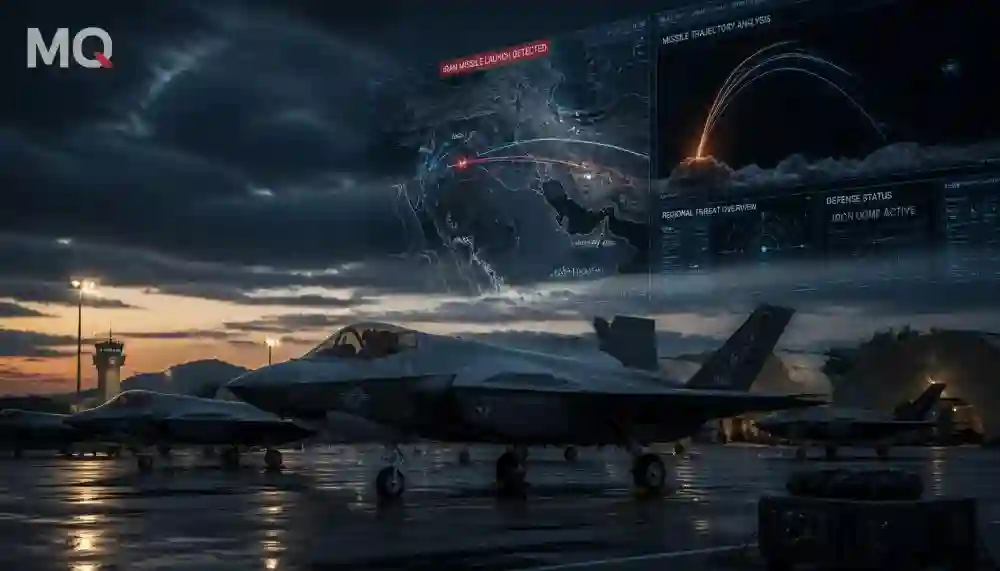
The US military had been chewing through its high-tech missile stocks at a pace nobody had seen before. In just sixteen days, key interceptor reserves were cut by more than half. Here’s a rough snapshot of what they started with and where things stand now:
- Tomahawk Cruise Missiles: Started with 3,100, used over 1,000. Burn rate is critical.
- JASSM Air-to-Surface Missiles: 4,400 at the start, over 1,000 gone in heavy use.
- PrSM (Precision Strike Missiles): Only 90 to begin with, used between 40 and 70. More than half wiped out.
- SM-3 Naval Interceptors: 410 initially, used 130 to 250. Draining fast.
- Out of a total stockpile of 1,160 SM-6 multipurpose missiles, they had already burned through 190 to 370 of them.
- THAAD Anti-Ballistic Interceptors: 360 on hand, used 190 to 290. Seriously depleted.
- Patriot Interceptors (PAC-2/PAC-3): Started with 2,330, fired off 1,060 to 1,430. Over 50% gone.
And that’s just the numbers. Report News Agency added that over 1,400 Patriots had already been launched, while US infrastructure in the region took an estimated $20 billion hit. The economics were brutal: you can’t keep firing $4 million interceptors at $50,000 drones and expect to last.
The Impossible Choice: Let Some Hits Land
But the true surprise was still waiting in the wings. NBC News ran an investigation that showed US commanders were forced into split-second triage. With supplies shrinking, they would watch radar tracks and deliberately not fire if a missile or drone seemed headed for open desert or secondary targets. They hoarded their vanishing supply for high-value targets only: aircraft carriers, command centers, and primary radar installations.
Calculated Sacrifices: Commanders are forced into brutal, real-time math—deciding which logistics hubs, supply lines, or personnel are “acceptable losses” just to keep the strategic crown jewels alive.
CENTCOM’s Reality Check on Hormuz Operations
The Times of Israel reported that CENTCOM commander Admiral Brad Cooper advised pulling back from the Strait of Hormuz bombing campaign. His argument was straightforward: air strikes had done all they could without committing to an all-out regional ground invasion. Keep dropping bombs, and you’re just burning expensive interceptors without moving the needle on the water.
Iran Got Faster: Rapid Launch Turnaround Shifts the Balance
While Washington worried about supply chains, Tehran was tweaking its tactics on the ground. Al Mayadeen quoted an IRGC spokesperson saying that if the US resumes raids, Iran will widen its strike zone across the whole region.
But more telling was the technical shift in the field: early on, when US forces hit an Iranian mobile launcher, repairs took nearly 15 hours. By Day 16, technical crews had that repair and setup window down to under 30 minutes. That kind of turnaround speed made it nearly impossible for US warplanes to keep launchers suppressed for long.
The Caspian Sea Enters the Picture: Northern Escalation
The main bombing campaign stalled, yet the war steadily expanded anyway. Al Jazeera and The Jerusalem Post both reported a long-range drone strike on an Iranian commercial cargo ship in the Caspian Sea. Ukraine’s envoy to Israel, Yevgen Korniychuk, claimed the vessel was hauling drone and missile parts.
Iran’s foreign minister, Abbas Araghchi, called it a clear violation of international maritime law. He got on the phone with Russia’s Sergey Lavrov and European officials, warning that hitting Iranian commercial shipping in the Caspian would bring a direct response.
Over in the UK, BBC News covered British official Wes Streeting’s reply: he stated that Iranian threats about British military sites would not scare London or shake standing NATO commitments.
Rebuilding Infrastructure, Oman Backchannels, and Shipping Insurance
Back in Tehran, President Masoud Pezeshkian ordered fast-track repairs to damaged transport links, rail lines, and transit corridors following the two weeks of US strikes. On the quiet diplomatic side, backchannel talks between Washington, Tehran, and regional go-betweens kept going in Oman to prevent a return to full-scale war.
However, commercial shipping is taking a heavy beating. Crypto Briefing and the Financial Times reported that marine insurers started dropping coverage for Saudi-linked vessels moving through the Red Sea because of ongoing Houthi blockades. Meanwhile, The New York Times dug into the proposed civil nuclear deal with Saudi Arabia, pointing out that commercial parts of the agreement could end up benefiting companies tied to Trump and his commercial allies.
Frequently Asked Questions
Why did the United States halt its air strikes on Day 16?
Vice President JD Vance and Joint Chiefs Chairman General Dan Caine warned leadership that continuing daily air raids was rapidly draining essential Patriot and THAAD interceptor stocks below safe global defense margins.
Did US military commanders deliberately let some Iranian missiles land?
Yes, an investigation by NBC News revealed that commanders saved $4 million in interceptors by allowing off-course or secondary projectiles to land in open desert without firing back.
What warning did CENTCOM issue regarding the Strait of Hormuz?
Axios and The Times of Israel reported that CENTCOM Commander Brad Cooper advised halting strikes near Hormuz, stating the air campaign had reached its limits of effectiveness without a ground war.
How are global trade routes reacting to the ongoing conflict?
According to the Financial Times and Crypto Briefing, marine insurers suspended coverage for Saudi-connected ships in the Red Sea due to risks from Houthi missile blockades.